
If you share your home with a dog or cat, every product you bring inside deserves a second look, candles included. So, are soy candles safe for pets? The short answer is that soy wax itself is non-toxic, making it a far better option than paraffin-based alternatives. But the wax is only one part of the equation.
At Coorong Candle Co., we hand-pour every candle using natural soy wax and lead-free cotton wicks here in South Australia. Pet safety is something our customers ask about regularly, and it's a question that deserves a thorough, honest answer, not just a reassuring headline.
The truth is, what makes a candle safe or risky for animals often comes down to the extras: fragrance oils, essential oils, dyes, and wick materials. Some of these ingredients can irritate or even harm pets in ways that aren't immediately obvious. This guide breaks down exactly what to watch for when burning candles around dogs and cats, which ingredients to avoid, and how to enjoy a beautifully scented home without putting your animals at risk.
What makes soy candles pet safer
When people ask are soy candles safe for pets, the starting point is always the wax. Soy wax comes from hydrogenated soybean oil, which is a natural, plant-derived material. Unlike paraffin wax, which is a petroleum byproduct, soy wax does not release the same level of toxic volatile compounds when it burns. That distinction matters a great deal in your home, especially for animals that spend most of their time at floor level, closer to where residue and soot can settle.
Paraffin candles can release compounds like benzene and toluene when burned, both of which are harmful to humans and animals alike.
Why plant-based wax burns cleaner
Soy wax has a lower melting point than paraffin, which means it burns at a cooler temperature and produces significantly less soot. That cleaner burn reduces the amount of airborne particulates in your room, which matters most for cats and dogs with sensitive respiratory systems. Animals groom themselves constantly, and any residue that settles on their fur can end up being ingested. Less soot in the air means less of that risk for your pet.
Your concern about accidental ingestion is also worth addressing here. Soy wax is biodegradable, and if small amounts are accidentally consumed, it does not carry the same toxicity risk as petroleum-based waxes. That is not permission to let your dog chew through a candle, but it does mean an accidental encounter with soy wax is far less likely to cause serious harm compared to its paraffin counterpart.
Cotton wicks reduce smoke exposure
The wick type has a direct impact on how cleanly a candle burns. Lead-free cotton wicks produce a steady flame with minimal smoke, which keeps your air quality as clean as possible. Older wick designs sometimes contained lead cores, which released toxic metal particles into the air during burning. Lead wicks have been largely phased out in Australia, but it is still worth checking any candle you bring into your home, particularly imported products.
What can still harm pets in candles
Soy wax on its own is the safest part of any candle. When you are asking are soy candles safe for pets, the honest answer is that the wax rarely causes harm, but other ingredients in the same candle can. Understanding what those risks are helps you make smarter purchasing decisions.
Essential oils and synthetic fragrances
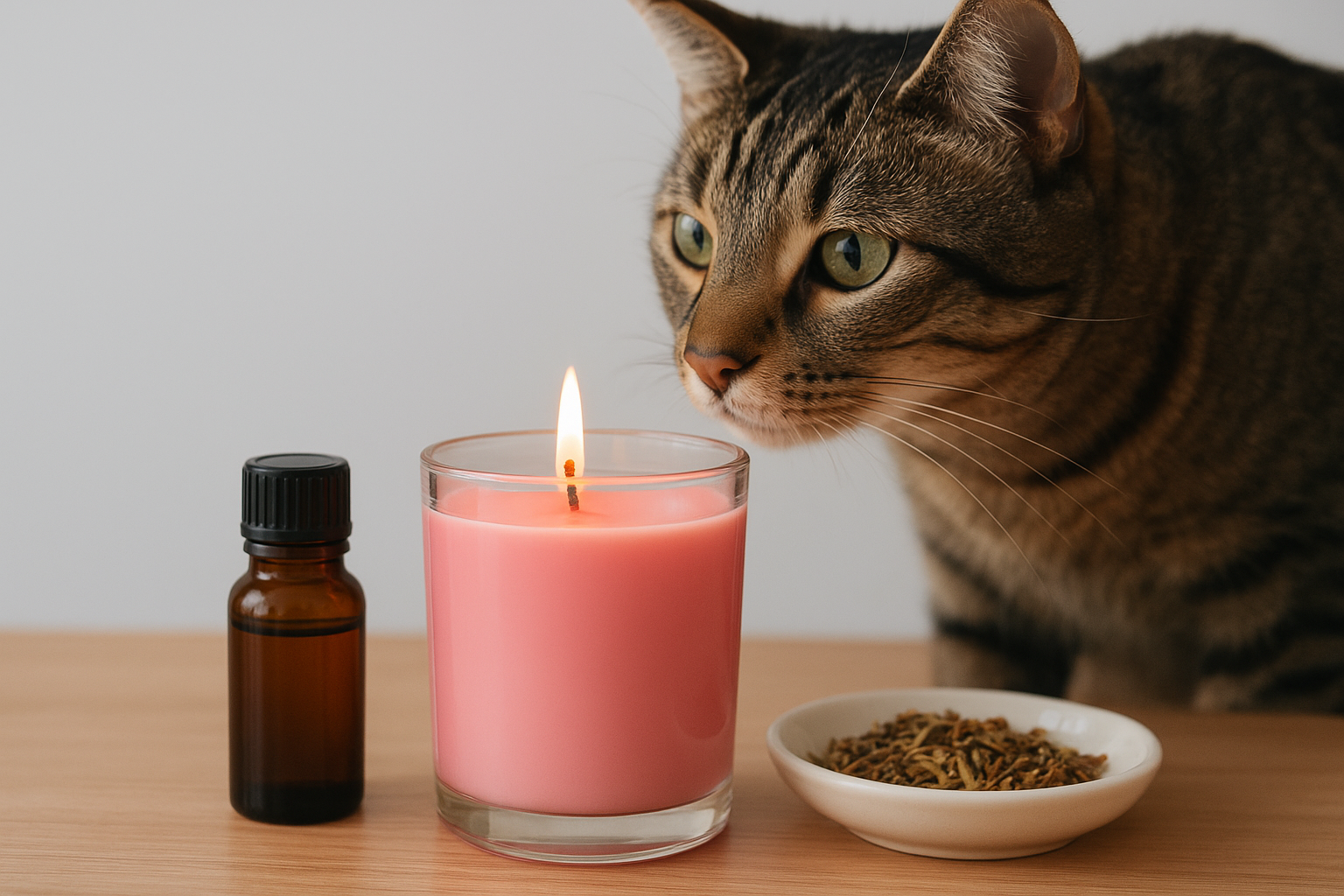
Certain essential oils are genuinely toxic to cats and dogs, regardless of how natural they sound. Eucalyptus, tea tree, clove, and cinnamon oils are particularly problematic for cats, whose livers cannot process many plant compounds the way human livers can. Dogs are more resilient, but concentrated phenol-heavy oils can still cause vomiting, lethargy, and breathing difficulties with repeated exposure.
Cats are especially vulnerable because they lack a key liver enzyme needed to metabolise many aromatic compounds safely.
Synthetic fragrance blends carry their own concerns. Some contain phthalates, which are chemical compounds used to extend scent throw, and these have raised questions around hormone disruption in animals and humans alike.
Dyes and chemical additives
Many candles use artificial colourants to achieve visual appeal, and these dyes can release additional compounds when burned. Wax hardeners and UV stabilisers are other common additives that contribute to a less clean burn. Choosing a candle with minimal additives and a transparent ingredient list removes a significant layer of risk for your pets.
How to choose a pet-safe soy candle
Picking the right candle comes down to reading the label carefully and knowing what to look for. When you are weighing up whether are soy candles safe for pets, the wax type is your first filter, but the full ingredient list is what tells the real story.
Check the wick and wax first
Start by confirming the candle uses 100% soy wax and a cotton wick. These two elements form the foundation of a clean-burning candle. Avoid anything that blends soy with paraffin, as these hybrid candles still carry the pollution risks of petroleum-based wax without advertising it clearly.
A candle labelled "soy blend" may contain as little as 10% soy wax, so always look for "100% soy" on the packaging.
Assess the fragrance ingredients
Ask the maker about their fragrance components before you buy. Candles scented with skin-safe, low-concentration fragrance oils that are free from phthalates and high-phenol essential oils present a much lower risk for your animals. A transparent brand will tell you exactly what goes into each product, and if the ingredient list is vague or unavailable, that is a signal to keep looking.
Seek out candles with no artificial dyes, minimal additives, and a clearly stated lead-free wick. These details together give you a reliable picture of the candle's overall safety profile for your home.
How to use candles safely around pets
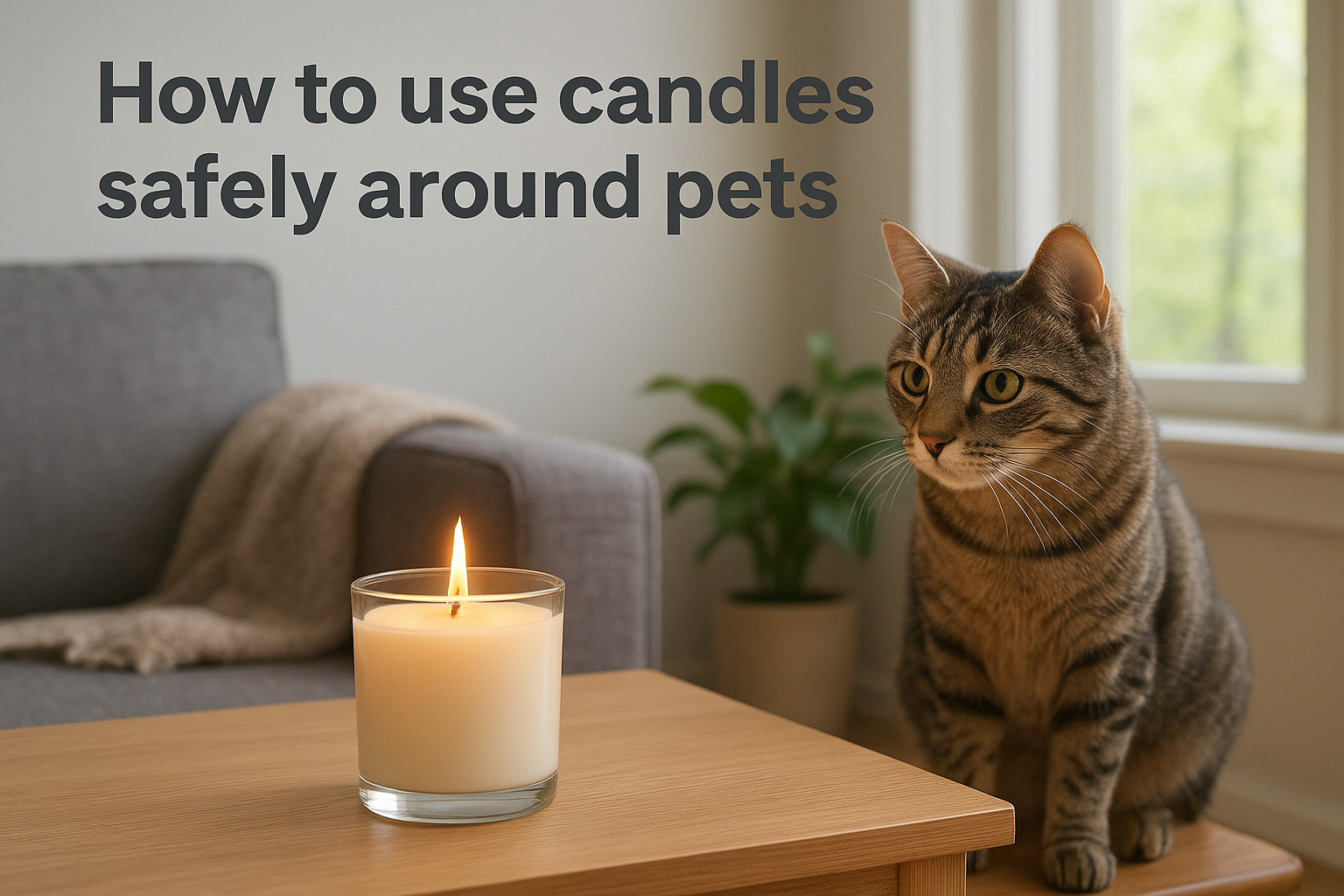
Even when you've confirmed are soy candles safe for pets and chosen a clean-burning product, how you use it at home makes a real difference. Simple habits around ventilation, placement, and burn time protect your animals from unnecessary irritation day to day.
Ventilate the room
Always burn candles in a well-ventilated space. Open a window or keep a door ajar to stop fragrance compounds from building up to uncomfortable concentrations. Cats and dogs have far more sensitive noses than humans, so even a pleasant scent can become overwhelming in a sealed room. Keep air moving throughout the burn session.
- Open a window at least slightly before lighting any candle
- Avoid burning candles in small enclosed spaces where your pet sleeps or rests
Keep candles out of reach
Place candles on stable, elevated surfaces your pet cannot reach or knock over. Curious cats will jump toward a flame, and a wagging dog's tail can sweep a low candle off a shelf in seconds. Never leave a burning candle unattended with animals in the room.
Extinguish any candle before leaving the space, even for a minute.
Limit burn sessions to one or two hours at a time, especially in smaller rooms. This keeps cumulative fragrance exposure low and maintains better air quality for your pet throughout the day.
Common questions pet owners ask
Pet owners tend to share the same worries when it comes to candles at home. The questions below cover the most common concerns people raise when working out are soy candles safe for pets in their specific situation.
Can I burn candles around a pet with breathing problems?
If your cat or dog has asthma, bronchitis, or a known respiratory condition, you need to be more cautious than the average pet owner. Even a clean-burning soy candle produces some fragrance compounds, and these can trigger coughing or wheezing in a sensitive animal. Keep burn sessions short, ventilate the room thoroughly, and watch your pet for any signs of discomfort. When in doubt, skip the candle on days your animal is already unwell.
Your vet is the best person to consult if your pet has an existing respiratory diagnosis.
What should I do if my pet eats candle wax?
Soy wax is non-toxic, so ingesting a small amount is unlikely to cause serious harm. However, any large quantity of wax can cause digestive upset, and if the candle contained heavy fragrance oils or dyes, those ingredients add a layer of concern. Contact your vet promptly if your pet consumes more than a tiny amount, or if you notice vomiting, lethargy, or loss of appetite shortly after the incident.
Quick recap
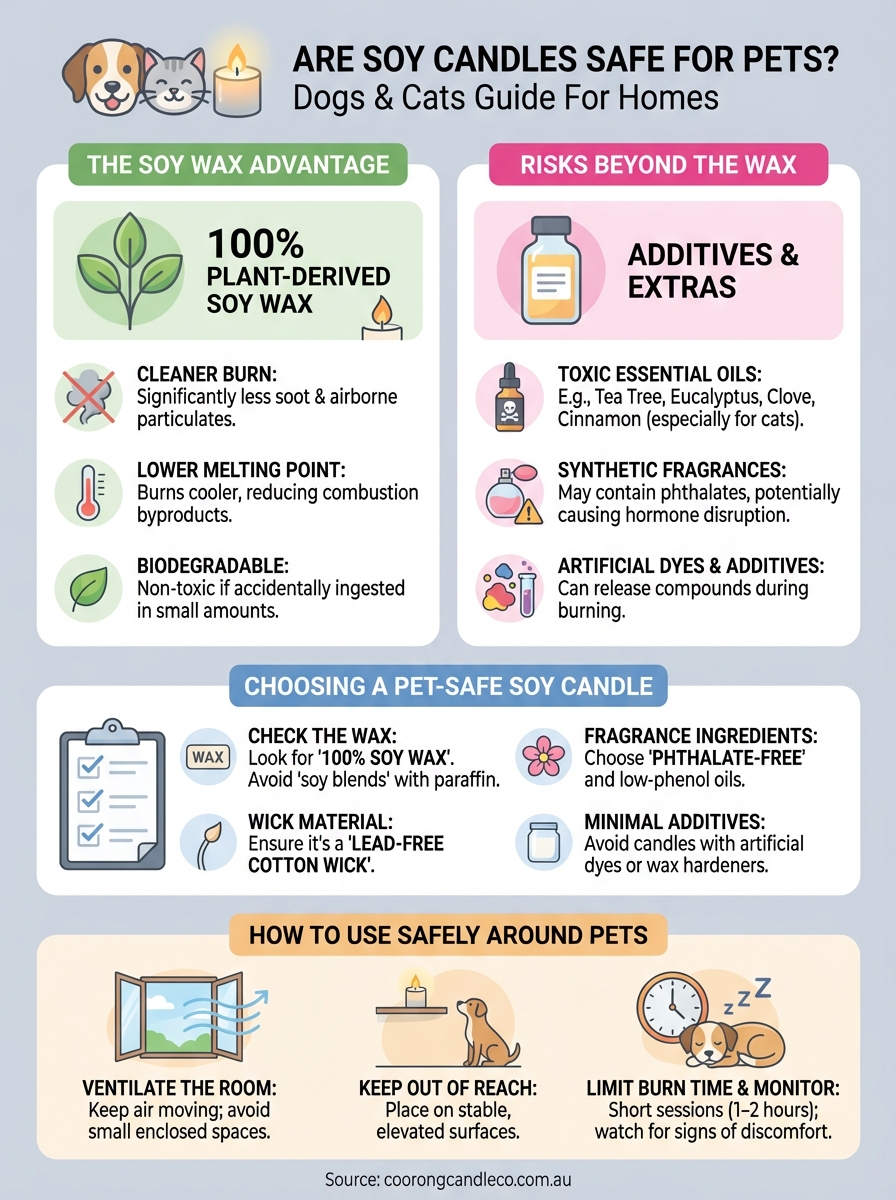
Soy wax itself is non-toxic, which makes soy candles a genuinely safer choice compared to paraffin alternatives when you have dogs or cats at home. But the full answer to are soy candles safe for pets depends on more than just the wax. Fragrance ingredients, wick materials, and dyes all play a role in how safe a candle is for your animals.
Choosing a candle that uses 100% soy wax, a lead-free cotton wick, and phthalate-free fragrance gives you the cleanest option available. Combine that with good ventilation, sensible placement, and short burn sessions, and you can enjoy a scented home without putting your pets at risk.
If you want a candle you can trust around your animals, start with ingredients you can actually verify. Browse the natural soy candle collection at Coorong Candle Co. and find a fragrance that works for both your home and your pets.