
Dry skin doesn't take a break just because you've stepped into the bath. In fact, the wrong soak can strip your skin further, leaving it tight and irritated. Finding a bath soak for dry skin that actually hydrates rather than depletes takes a bit of know-how, and knowing which ingredients to look for makes all the difference.
At Coorong Candle Co., we handcraft bath products using natural, eco-friendly ingredients right here in South Australia. Our bath bombs are designed to nourish skin while turning your tub into a sensory retreat. So we know a thing or two about what works in the water, and what's just clever marketing on a label.
Below, we've rounded up five of the best bath soaks for dry skin available in Australia, plus practical oatmeal bath tips you can try at home tonight. Whether you're after a ready-made product or a DIY recipe, this list has you sorted.
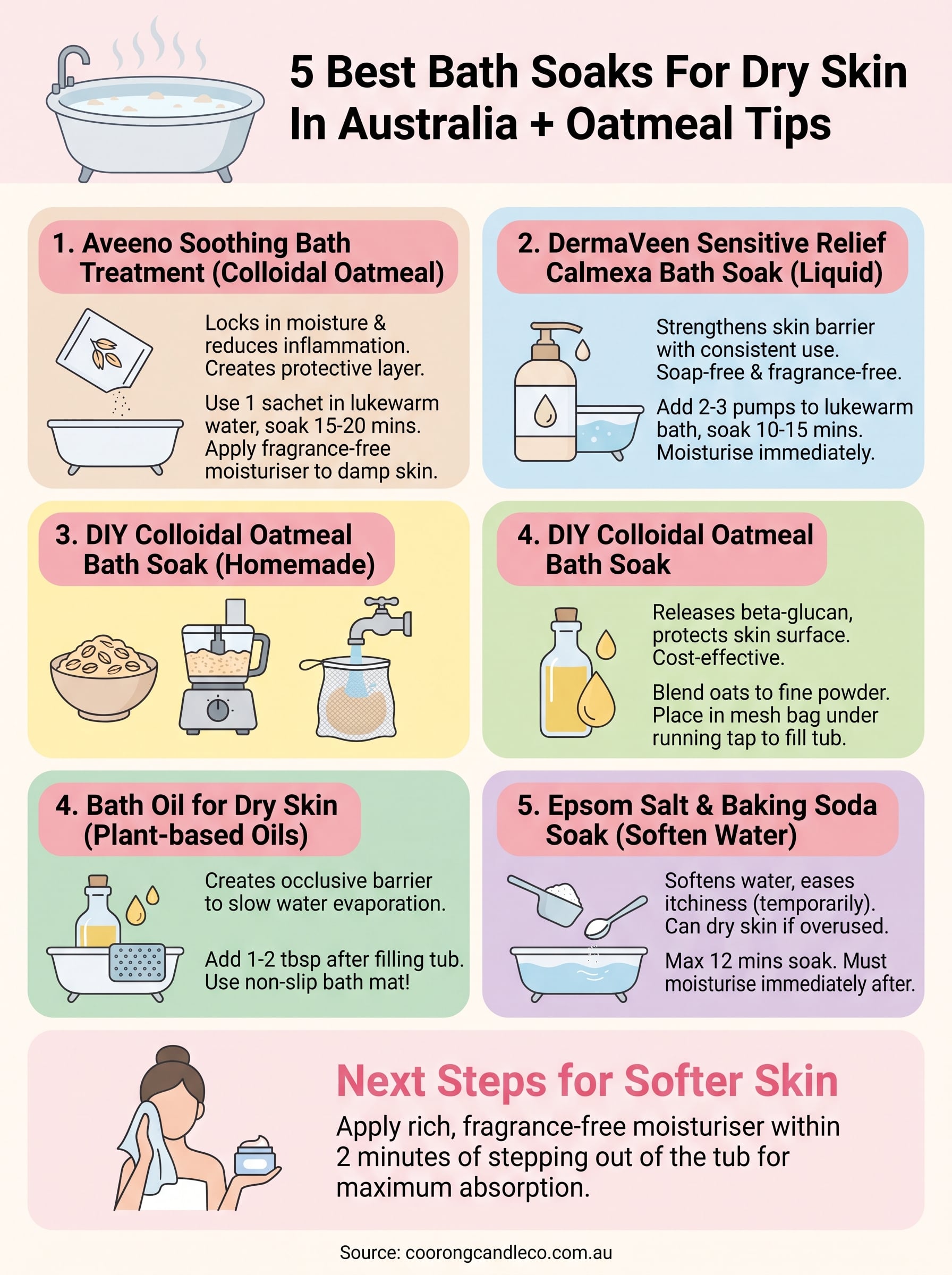
1. Aveeno Soothing Bath Treatment
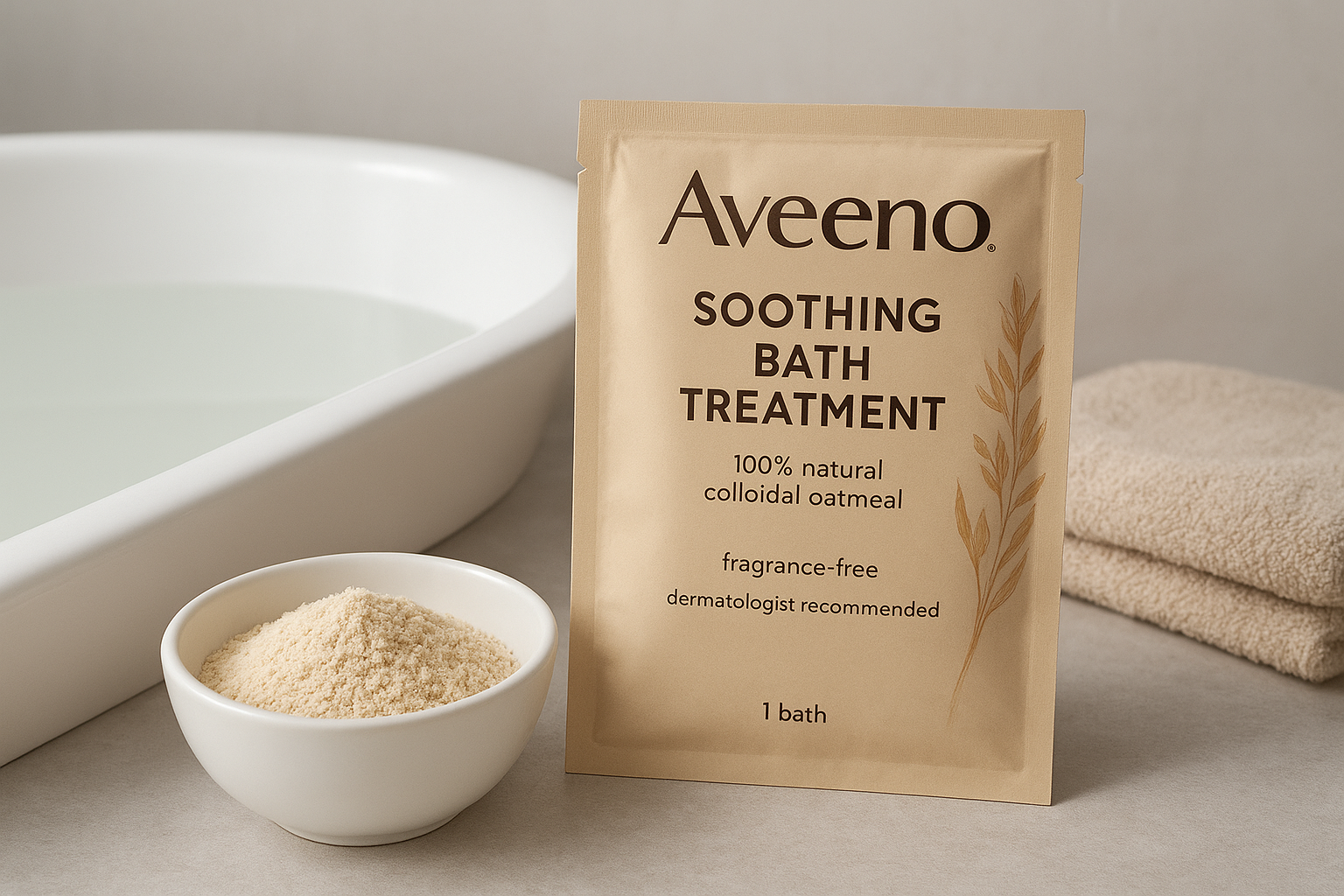
Aveeno's Soothing Bath Treatment is one of the most widely recommended options for dry and irritated skin in Australia. It's a dermatologist-backed product with a strong track record, making it a reliable bath soak for dry skin worth trying before anything else.
What it is
Aveeno Soothing Bath Treatment comes in individual single-use sachets filled with finely milled colloidal oatmeal. Each packet dissolves in warm water to create a milky bath that coats your skin with a protective layer of oat-derived ingredients. Key features include:
- Fragrance-free, dye-free, and soap-free formula
- Suitable for babies through to adults
- Single-use sachets for consistent dosing every bath
Why it helps dry, itchy skin
Colloidal oatmeal is the active ingredient, and it's clinically proven to relieve dry, itchy, and irritated skin. It works by forming a protective barrier on the skin's surface that locks in moisture and reduces inflammation.
The FDA recognises colloidal oatmeal as a skin protectant, which gives this product credibility beyond standard marketing claims.
How to use it for best results
Pour one sachet into a tub filled with lukewarm water, not hot. Hot water strips natural oils from your skin and works against the oatmeal's hydrating effect. Soak for 15 to 20 minutes, then pat your skin dry and apply a fragrance-free moisturiser while your skin is still slightly damp to lock in hydration.
Who it suits and who should avoid it
This treatment suits people with dry, sensitive, eczema-prone, or irritated skin at any age. If you have a known oat allergy, skip this one entirely, as colloidal oatmeal can trigger a reaction in those sensitive to oats or gluten.
Typical price and where to buy in Australia
A box of eight sachets typically costs between $12 and $18 at major Australian pharmacies such as Chemist Warehouse and Priceline. You can also find it through Amazon AU, where pricing and availability are easy to compare. Each sachet works out to roughly $1.50 to $2.25 per bath.
2. DermaVeen Sensitive Relief Calmexa Bath Soak
DermaVeen is an Australian brand formulated specifically for sensitive and compromised skin, and their Calmexa Bath Soak is a strong local pick for persistent dryness. It stands out as a bath soak for dry skin developed with input from Australian dermatologists.
What it is
DermaVeen Sensitive Relief Calmexa Bath Soak is a soap-free, fragrance-free liquid you add directly to bathwater. It combines colloidal oatmeal with the brand's calmexa technology, a complex designed to calm and restore the skin barrier over repeated use.
Unlike sachet formats, it comes in a pump bottle for consistent, mess-free dosing every bath.
Why it helps dry, eczema-prone skin
The colloidal oatmeal soothes irritation on contact, while the calmexa complex works to strengthen the skin barrier with consistent use. This makes it particularly suited to people managing eczema, psoriasis, or chronic dryness.
Regular use over several weeks delivers more meaningful skin barrier repair than occasional soaking alone.
How to use it for best results
Add two to three pumps to a lukewarm bath and soak for 10 to 15 minutes. Pat your skin dry and apply a fragrance-free moisturiser straight away to seal in hydration.
Who it suits and who should avoid it
This product suits eczema-prone, sensitive, or inflamed skin well. Avoid it if you have a confirmed oat allergy, as the colloidal oatmeal base can trigger a reaction.
Typical price and where to buy in Australia
A 250mL bottle costs roughly $20 to $25 at Chemist Warehouse, Priceline, and Amazon AU. That works out cheaper per bath than single-use sachets if you soak regularly.
3. DIY colloidal oatmeal bath soak
Making your own colloidal oatmeal bath soak costs a fraction of store-bought options and gives you full control over what goes onto your dry, sensitive skin.
What it is
Colloidal oatmeal is plain oats ground into an ultra-fine powder. Blending regular rolled oats finely enough and adding them to bathwater releases beta-glucan and avenanthramides, the same active compounds found in commercial products, at a much lower cost.
Why it helps dry, sensitive skin
The fine oat particles form a protective film over your skin's surface, reducing water loss and calming inflammation. This makes it one of the most effective bath soaks for dry skin you can put together from pantry staples.
Research consistently shows colloidal oatmeal reduces itch intensity and improves skin hydration with regular use.
How to make and use it without clogging the drain
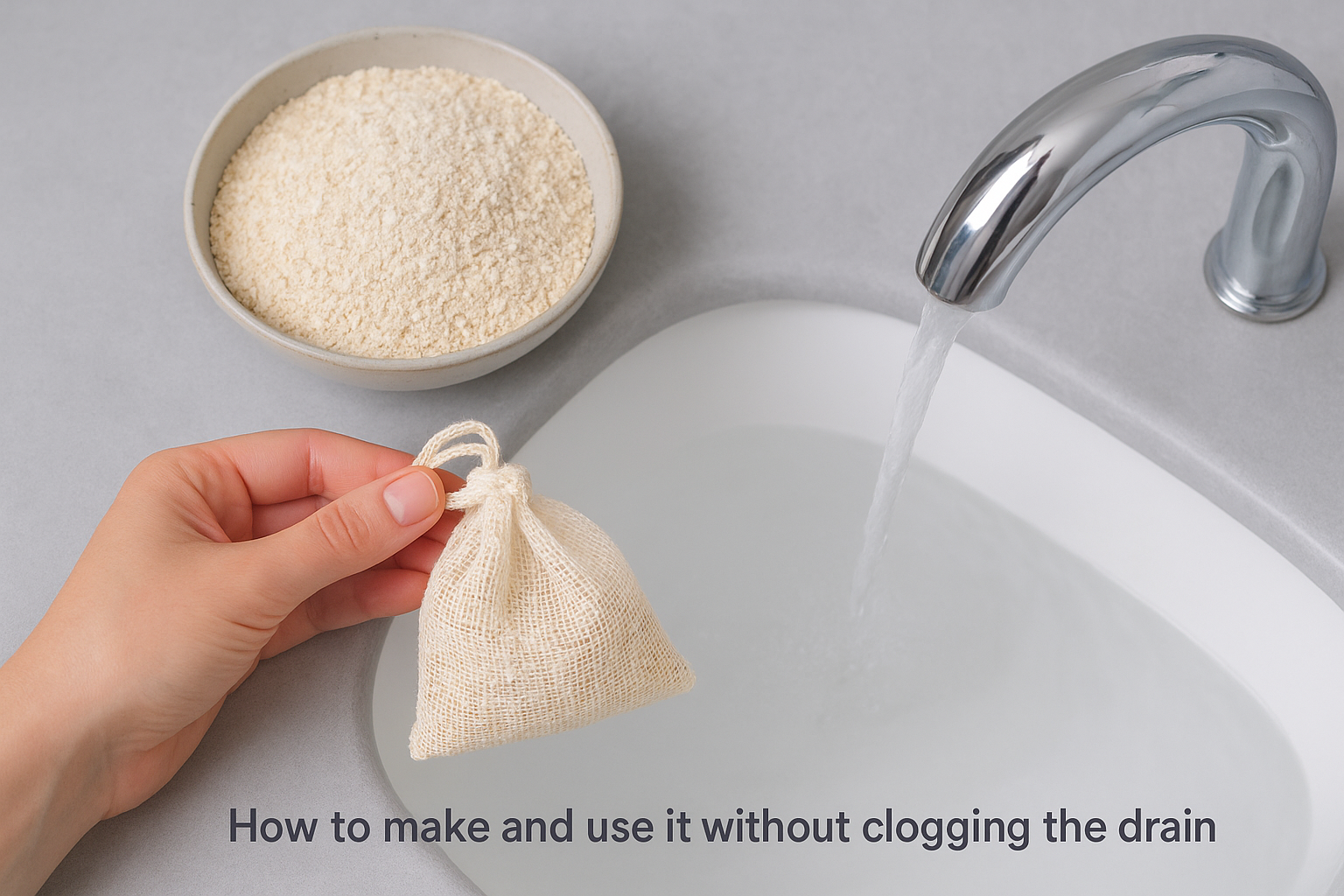
Blend half a cup of plain rolled oats in a food processor until they reach a fine, flour-like consistency. Place the powder inside a mesh bag or muslin cloth, tie it off, and hold it under the running tap as you fill the tub. Soak for 15 minutes in lukewarm water.
Who it suits and who should avoid it
This suits anyone with dry, sensitive, or eczema-prone skin. Avoid it if you have a confirmed oat allergy.
Typical cost and what to buy in Australia
Plain rolled oats from a supermarket cost $2 to $4 per kilogram, giving you dozens of baths. Look for home brands at Woolworths or Coles to keep costs as low as possible.
4. Bath oil for dry skin
Adding bath oil to your soak is one of the most direct ways to combat moisture loss, especially if your skin feels parched after stepping out of the tub.
What it is
Bath oil is a concentrated blend of plant-based oils, such as almond, jojoba, or coconut oil, formulated to disperse through bathwater and coat your skin with a thin, nourishing layer as you soak. It works differently from soap-based products because it adds, rather than removes, lipids from your skin.
Why it helps dry skin after bathing
Oils create an occlusive barrier that slows water evaporation from your skin's surface. This makes bath oil a practical complement to any bath soak for dry skin routine, locking in the hydration your skin absorbs during the soak.
Applying oil while your skin is still slightly wet maximises absorption and reduces the tight, dry feeling after bathing.
How to use it safely in the bath
Add one to two tablespoons of bath oil after the tub is fully filled to avoid inhaling concentrated vapours. Always place a non-slip bath mat in the tub before stepping in, as oil makes surfaces slippery.
Who it suits and who should avoid it
Bath oil suits dry, flaky, or mature skin particularly well. Avoid it if you have acne-prone or oily skin, as heavy oils can block pores and trigger breakouts.
Typical price and where to buy in Australia
Palmer's Cocoa Butter Moisturising Bath Oil and similar products cost $8 to $15 at Chemist Warehouse, Priceline, or Amazon AU.
5. Epsom salt and baking soda soak
Epsom salt and baking soda is a popular DIY combination, but it works differently from oatmeal-based soaks. Understanding when this bath soak for dry skin helps versus when it can irritate is key to using it well.
What it is
This soak combines Epsom salt (magnesium sulphate) with bicarbonate of soda (baking soda) dissolved in warm bathwater. The two ingredients work together to soften water, making it gentler on skin than standard tap water.
When it can help and when it can backfire
For mildly dry or tight skin, this soak can temporarily soften the skin's surface and ease itchiness. However, Epsom salt is not a moisturiser, and soaking too long can actually draw moisture out of your skin rather than add it.
Always follow an Epsom salt soak with a rich moisturiser applied to slightly damp skin, or you risk your skin feeling drier afterwards.
How to use it for best results
Add one cup of Epsom salt and half a cup of baking soda to a lukewarm bath. Soak for no longer than 12 minutes, then pat dry and moisturise immediately.
Who it suits and who should avoid it
This suits mildly dry or itchy skin without open wounds or active eczema flares. People with broken, inflamed, or severely sensitive skin should avoid it entirely.
Typical cost and what to buy in Australia
Epsom salt costs $4 to $8 per kilogram at Woolworths, Coles, or most pharmacies. Bicarbonate of soda is available at any supermarket for under $3.
Next steps for softer skin
Each bath soak for dry skin on this list works best when you pair it with a consistent routine. The single biggest mistake people make is skipping moisturiser after bathing. No matter which soak you choose, pat your skin dry and apply a rich, fragrance-free moisturiser within two minutes of stepping out of the tub. That window is when your skin absorbs hydrating ingredients most effectively.
Beyond your soak, the products you add to the water matter just as much as your post-bath routine. If you want to take your bath experience further, natural bath bombs made with skin-softening ingredients like Epsom salt, sunflower oil, and kaolin clay are worth exploring. Coorong Candle Co. handcrafts every bath bomb in small batches using naturally sourced ingredients designed to hydrate and nourish your skin. Browse the full range and find your next soak at Coorong Candle Co. bath bombs.