
If you've ever used a bath bomb, massage oil, or homemade skincare product, you've likely encountered carrier oils without realising it. Understanding what are carrier oils becomes essential when you want to safely enjoy the benefits of essential oils on your skin and hair. These plant-derived oils serve as the foundation for countless aromatherapy and body care formulations.
At Coorong Candle Co., we're passionate about natural ingredients that enhance your self-care rituals. Carrier oils play a crucial role in creating products that are both effective and gentle on the skin. They work by diluting potent essential oils, making them safe for direct application while delivering their own nourishing properties.
This guide covers everything you need to know about carrier oils, from their core purpose and popular varieties to specific benefits for skin and hair care. Whether you're crafting DIY bath products or simply want to make informed choices about your wellness routine, you'll find practical answers here.
What carrier oils are
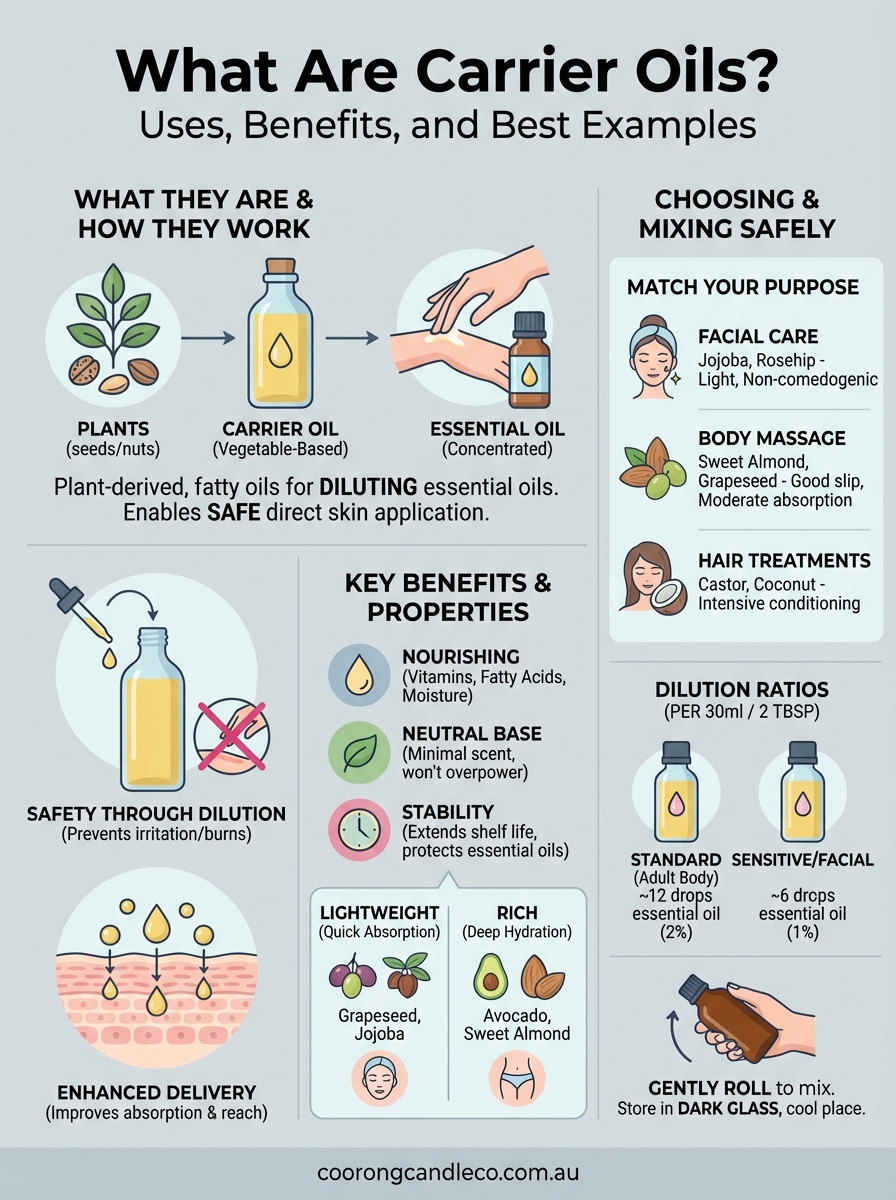
Carrier oils are vegetable-based oils extracted from the fatty portions of plants, including seeds, nuts, and kernels. These oils work as a diluting medium that allows you to apply concentrated essential oils directly to your skin without causing irritation or sensitivity. The term "carrier" refers to their ability to carry essential oils into your skin, making topical application both safe and effective.
The extraction process
You'll find that most carrier oils come from cold-pressing or expeller-pressing methods that preserve their natural properties. Cold pressing uses mechanical pressure to extract oil from plant material without applying heat, which maintains the oil's nutritional profile and therapeutic benefits. This process yields oils rich in vitamins, minerals, and fatty acids that your skin can readily absorb.

Expeller pressing applies slightly more pressure and may generate some heat through friction, though it still avoids the chemical solvents used in refined oils. When you choose cold-pressed or expeller-pressed carrier oils, you're selecting products that retain their natural aroma and therapeutic compounds. These unrefined versions typically appear slightly cloudy and carry the subtle scent of their source plant, unlike heavily processed oils that look clear and odourless.
Key physical properties
Understanding what are carrier oils requires knowing their distinct characteristics that make them suitable for skincare applications. These oils remain liquid at room temperature and absorb into your skin without leaving a heavy, greasy residue when used in appropriate amounts. Their molecular structure allows them to penetrate the skin's outer layers, delivering both the carrier oil's own benefits and any essential oils mixed within.
Each carrier oil has a specific viscosity that affects how it feels on your skin and how quickly it absorbs. Light oils like grapeseed or sweet almond sink in rapidly, making them ideal for facial serums and massage blends. Heavier oils such as avocado or castor take longer to absorb but provide intense moisturisation for very dry skin or hair treatments.
Carrier oils serve a dual purpose: they dilute potent essential oils to safe concentrations while contributing their own beneficial fatty acids and vitamins to your skincare routine.
What sets them apart from essential oils
Your understanding of carrier oils deepens when you recognise how they differ fundamentally from essential oils. Carrier oils contain fatty acids that nourish and protect your skin's barrier, whereas essential oils are highly concentrated aromatic compounds distilled from plant materials. You can apply carrier oils directly to large areas of your body without dilution, but essential oils require carrier oils to avoid skin reactions.
The fatty acid content in carrier oils provides actual moisturising properties, creating a protective layer that helps your skin retain water. Essential oils don't offer this moisturising benefit on their own. Instead, they contribute therapeutic aromatherapy properties and specific skin benefits when properly diluted in a carrier oil base. This partnership creates products that are both safe and functional for everyday use.
Carrier oils also lack the strong aromatic profiles of essential oils. While some carrier oils have a mild, pleasant scent, they won't overpower your senses or the essential oils you blend with them. This neutral quality makes them the perfect foundation for creating custom aromatherapy products tailored to your preferences and skin needs.
Why carrier oils matter in aromatherapy
Your aromatherapy practice relies heavily on carrier oils to transform concentrated essential oils into safe, usable products. Without proper dilution, essential oils can cause chemical burns, skin irritation, and allergic reactions when you apply them directly to your body. Carrier oils solve this problem by reducing the concentration of essential oils to levels your skin can tolerate while maintaining their therapeutic effects.
Safety through dilution
Essential oils contain volatile compounds that are far too potent for direct skin contact in their pure form. When you blend essential oils with carrier oils, you reduce their concentration to a safe percentage that typically ranges from 1% to 5% for most applications. This dilution ratio means you'll add just a few drops of essential oil to each tablespoon of carrier oil, creating a blend that your skin can absorb without adverse reactions.
The dilution process becomes particularly important when you're working with hot oils like cinnamon, clove, or oregano that can severely irritate your skin even in small amounts. Carrier oils provide a protective buffer that allows you to enjoy the benefits of these powerful essential oils without risking sensitisation or burns. Children and people with sensitive skin require even lower dilution rates, sometimes as mild as 0.5%, which carrier oils make possible.
Proper dilution with carrier oils transforms essential oils from potentially harmful concentrates into gentle, effective aromatherapy products you can use daily.
Enhanced absorption and delivery
Carrier oils improve how your skin absorbs essential oils by creating a lipophilic environment that matches your skin's natural structure. Your skin's outer layer contains lipids that readily accept oil-based substances, making carrier oils the ideal delivery system for essential oil molecules. This compatibility ensures that therapeutic compounds reach deeper skin layers where they can provide benefits.
The fatty acid profile of carrier oils also determines how quickly or slowly essential oils penetrate your skin. When you need rapid absorption for massage therapy, lighter carrier oils facilitate faster penetration. For overnight treatments or targeted skin repair, heavier carrier oils create a sustained release that keeps essential oils working on your skin for extended periods.
Practical application benefits
Understanding what are carrier oils reveals their role in making aromatherapy convenient and cost-effective. Pure essential oils are expensive and require only small amounts per application, but you need adequate volume to cover your body during massage or skincare routines. Carrier oils provide the necessary bulk and spreadability without diluting the therapeutic properties you're seeking.
These oils also extend the shelf life of your aromatherapy blends by protecting volatile essential oil compounds from oxidation. When you store properly diluted blends in dark glass bottles, the carrier oil acts as a stabilising medium that preserves the essential oils' aromatic and therapeutic qualities for months.
How to choose the right carrier oil
Selecting the appropriate carrier oil requires you to consider your skin type, intended use, and personal preferences. No single carrier oil works perfectly for everyone, which means you'll need to evaluate several factors before committing to a particular option. Your choice impacts both the effectiveness of your aromatherapy blends and how comfortable they feel on your skin.
The right carrier oil enhances your experience by complementing your skin's natural characteristics rather than working against them. When you understand what are carrier oils and their individual properties, you can make selections that support specific skincare goals while providing a pleasant sensory experience. This personalised approach ensures you get maximum benefit from your aromatherapy practice.
Consider your skin type
Your skin type determines which carrier oils will nourish without causing problems. If you have oily or acne-prone skin, you'll benefit from light, non-comedogenic oils like grapeseed, jojoba, or hazelnut that absorb quickly without clogging pores. These oils have a low comedogenic rating that prevents breakouts while still delivering moisture and carrying essential oils effectively.
Dry or mature skin responds better to richer carrier oils such as avocado, rosehip, or sweet almond that provide intensive hydration and contain fatty acids that support skin elasticity. People with sensitive skin should start with gentle options like fractionated coconut oil or sunflower oil that rarely trigger allergic reactions or irritation.
Matching carrier oils to your skin type prevents adverse reactions and ensures you receive the full therapeutic benefits of your aromatherapy routine.
Match the oil to your purpose
Different applications require carrier oils with specific characteristics that suit the task. For full-body massage, you'll want oils with good slip and moderate absorption rates like sweet almond or grapeseed that allow your hands to glide smoothly across the skin without leaving an oily residue. These oils provide enough lubrication for extended massage sessions while still absorbing within a reasonable timeframe.
Facial serums demand lighter carrier oils that penetrate deeply without overwhelming delicate facial skin. Rosehip, argan, and jojoba oils excel in facial applications because they deliver concentrated nutrients without heaviness. Hair treatments benefit from heavier carrier oils like castor or coconut that coat the hair shaft and provide intensive conditioning over several hours or overnight.
Check absorption rate and texture
The viscosity and absorption speed of carrier oils significantly affect your comfort and satisfaction with the final product. Light oils with fast absorption rates suit daytime use when you need to dress quickly after application, while heavier oils work better for evening routines where you have time for gradual absorption. Consider testing small amounts on your inner wrist to assess how quickly each oil sinks into your skin and whether the texture feels pleasant to you.
How to mix carrier and essential oils safely
Proper blending of carrier and essential oils prevents skin reactions while maximising therapeutic benefits. You need to follow specific dilution guidelines that match your intended use and the sensitivity of the person using the blend. The mixing process itself requires attention to measurements and clean equipment to create safe, effective aromatherapy products.
Standard dilution ratios
Your dilution percentage determines how many drops of essential oil you add per tablespoon of carrier oil. For most adults using aromatherapy on healthy skin, a 2% dilution provides effective results without overwhelming your system. This translates to approximately 12 drops of essential oil per 30ml (2 tablespoons) of carrier oil, creating blends suitable for daily body care and massage applications.
Children, elderly individuals, and those with sensitive skin require gentler concentrations. You should use a 1% dilution (6 drops per 30ml) for these groups, reducing potential irritation while maintaining therapeutic properties. Facial applications also benefit from this lower concentration because facial skin tends to be more reactive than body skin. When working with particularly potent essential oils or addressing specific concerns, you might increase to a 3% dilution, but never exceed 5% without professional guidance.
Accurate dilution protects your skin while ensuring you receive the full aromatherapy benefits that understanding what are carrier oils makes possible.
The mixing process
Start by measuring your carrier oil into a clean glass bottle that shields the contents from light degradation. Dark amber or cobalt blue bottles work best for preserving blend integrity over time. Add your counted drops of essential oil directly to the carrier oil, then secure the lid and gently roll the bottle between your palms for 30 seconds to combine the oils thoroughly.
Avoid shaking vigorously, as this introduces air bubbles that can accelerate oxidation. Instead, use a slow rolling motion that creates even distribution without compromising stability. Label your bottle with the blend contents and creation date to track freshness and identify the mixture later.
Testing for sensitivity
Before applying any new blend to large areas, you must perform a patch test to identify potential allergic reactions. Place a small amount of your diluted mixture on your inner forearm or behind your ear, then cover it with a bandage and wait 24 hours to observe any reaction. Redness, itching, or swelling indicates sensitivity, and you should discontinue use immediately.
This precaution becomes particularly important when you're trying unfamiliar carrier or essential oils for the first time. Even oils considered generally safe can cause individual reactions based on your unique skin chemistry and any existing sensitivities.
Best carrier oils and what each is good for
Your choice of carrier oil significantly impacts both the sensory experience and therapeutic outcomes of your aromatherapy blends. Each oil brings distinct properties that suit specific applications, from quick-absorbing facial serums to intensive overnight hair treatments. Knowing what are carrier oils and their individual characteristics helps you select options that align with your goals and preferences.
The market offers dozens of carrier oils, but several stand out for their versatility, skin compatibility, and proven benefits. You'll find these popular options in most natural health shops and online retailers, making them accessible for both beginners and experienced aromatherapy practitioners. Understanding each oil's strengths allows you to build a collection that covers multiple skincare needs.
Lightweight daily options
Jojoba oil tops the list for facial applications because its structure closely resembles your skin's natural sebum. This similarity means your skin accepts it readily without triggering excess oil production, making it suitable for all skin types including oily and acne-prone complexions. You can use jojoba in facial serums, makeup removers, and daily moisturizers without worrying about clogged pores or greasy residue.
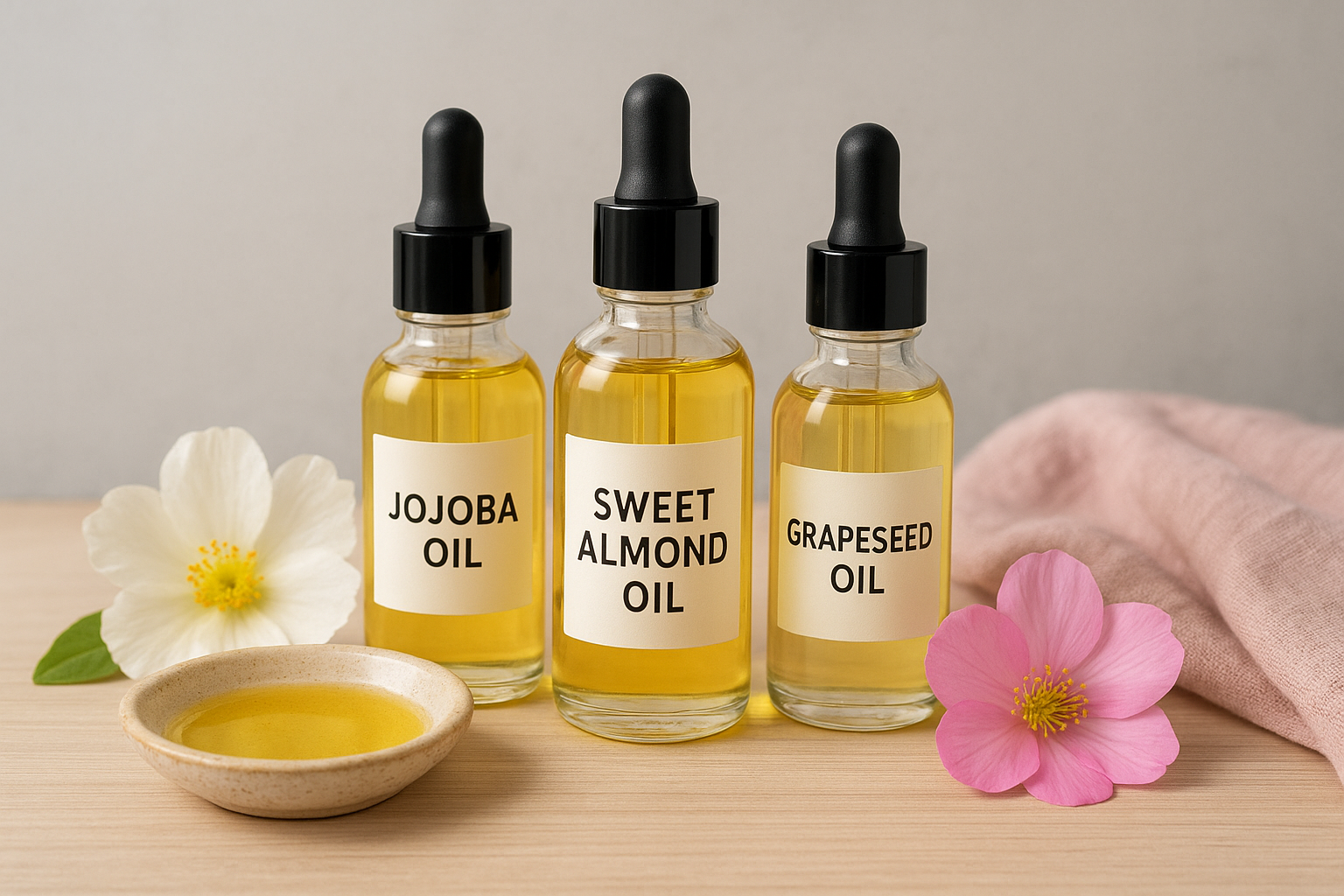
Sweet almond oil provides gentle nourishment that works beautifully for massage and body care. Its light texture spreads easily across large areas, delivering vitamin E and fatty acids that support skin elasticity and hydration. People with nut allergies should avoid this option, but for everyone else, it offers an affordable and effective choice for diluting essential oils in everyday blends.
Lightweight carrier oils give you the flexibility to create products you can apply morning or evening without disrupting your routine or leaving uncomfortable residue.
Grapeseed oil absorbs faster than most alternatives, making it ideal when you need to dress quickly after application. Its astringent properties benefit oily skin types, while the high linoleic acid content provides antioxidant protection. You'll appreciate this oil in body lotions and light massage blends where speed and comfort matter.
Rich therapeutic choices
Avocado oil delivers intensive moisture for very dry or mature skin that needs deep nourishment. Its thick consistency and high oleic acid content make it perfect for hand creams, foot treatments, and areas with rough, damaged skin. Blend it with lighter oils to create a more balanced texture while maintaining its restorative properties.
Rosehip oil contains natural retinoids and vitamin C that support skin regeneration and reduce the appearance of scars and fine lines. Use this premium option in targeted facial treatments where you want concentrated benefits rather than full-body applications, as the price point makes it less economical for large-volume use.
Storage, shelf life, and safety checks
Your carrier oils require proper storage and regular safety checks to maintain their therapeutic properties and prevent skin irritation from rancid products. Understanding what are carrier oils includes knowing how to preserve their quality over time through correct handling and storage practices. The fatty acids that make these oils beneficial also make them vulnerable to oxidation and degradation when exposed to unfavourable conditions.
Most carrier oils remain usable for six months to two years when stored correctly, though this timeframe varies significantly between different oils. You'll need to monitor your collection regularly and dispose of any oils showing signs of spoilage, as using rancid carrier oils can cause skin reactions and negate any therapeutic benefits from your essential oil blends.
Proper storage conditions
Store your carrier oils in dark glass bottles that protect the contents from light exposure, which accelerates oxidation. Amber or cobalt blue bottles work best, and you should keep them in a cool, dry location away from direct sunlight and heat sources. Your bathroom cabinet might seem convenient, but temperature fluctuations from hot showers can reduce oil stability.
Refrigeration extends shelf life for most carrier oils, particularly those with high polyunsaturated fat content like flaxseed or evening primrose oil. These oils turn rancid quickly at room temperature and benefit from cold storage between uses. Allow refrigerated oils to reach room temperature before use, as cold oil absorbs poorly into your skin.
Protecting carrier oils from light, heat, and air exposure preserves their therapeutic compounds and prevents the formation of harmful free radicals that damage your skin.
Recognising when oils have gone bad
You can identify rancid carrier oils through several clear indicators that signal degradation. Fresh carrier oils smell mild or slightly nutty, while spoiled oils develop a sharp, unpleasant odour similar to crayons or old paint. This smell indicates oxidation has occurred, and you should discard the oil immediately rather than applying it to your skin.
Changes in colour, texture, or clarity also suggest spoilage. Your carrier oil might become cloudier, thicker, or develop an unusual tint that differs from its original appearance. These physical changes mean the molecular structure has broken down, reducing effectiveness and potentially causing irritation.
Safety precautions
Always check the expiration date on carrier oil bottles and note when you first opened each container. Opened bottles have shorter shelf lives than sealed products because air exposure initiates oxidation. Write the opening date directly on the label to track how long you've been using each oil.
Perform a small patch test before using carrier oils that have been stored for several months, even if they show no obvious signs of spoilage. Apply a drop to your inner wrist and wait 24 hours to ensure the oil hasn't developed compounds that trigger sensitivity in your skin.
Where to go from here
Understanding what are carrier oils opens up countless possibilities for creating personalised aromatherapy blends and natural skincare products at home. You now have the knowledge to select appropriate carrier oils based on your skin type, dilute essential oils safely, and store your creations properly for maximum shelf life. Start by choosing one or two versatile options like sweet almond or jojoba oil, then expand your collection as you discover which textures and absorption rates suit your preferences.
Incorporating carrier oils into your self-care routine becomes even more rewarding when you pair them with quality natural products. At Coorong Candle Co., we craft handmade bath bombs and home fragrance items that complement your aromatherapy practice, using ingredients inspired by the natural landscape of South Australia. Explore our collection to discover how artisan-made products can enhance your wellness rituals and create a sanctuary in your own home.