
Choosing the right fragrance oil can make or break a candle. Too weak on the throw and you're left with a pretty ornament. Too synthetic and the scent fills a room for all the wrong reasons. If you've spent any time researching suppliers, you've almost certainly come across candle science fragrance oils, one of the most talked-about lines among hobbyist and professional candle makers alike.
At Coorong Candle Co., we've tested and trialled dozens of fragrance oil brands over the years while developing our own hand-poured soy candles here in South Australia. That hands-on experience, measuring load percentages, assessing hot and cold throw, troubleshooting wax behaviour, gives us a practical perspective on what actually performs versus what just looks good on a product page. We know what Australian makers care about because we're doing the same work.
This article breaks down eight popular CandleScience fragrance oils with honest reviews, performance notes, and blend ideas you can try yourself. Whether you're pouring your first batch or refining a product line, you'll walk away with actionable recommendations and a clearer sense of which scents are worth your time and money in an Australian context.
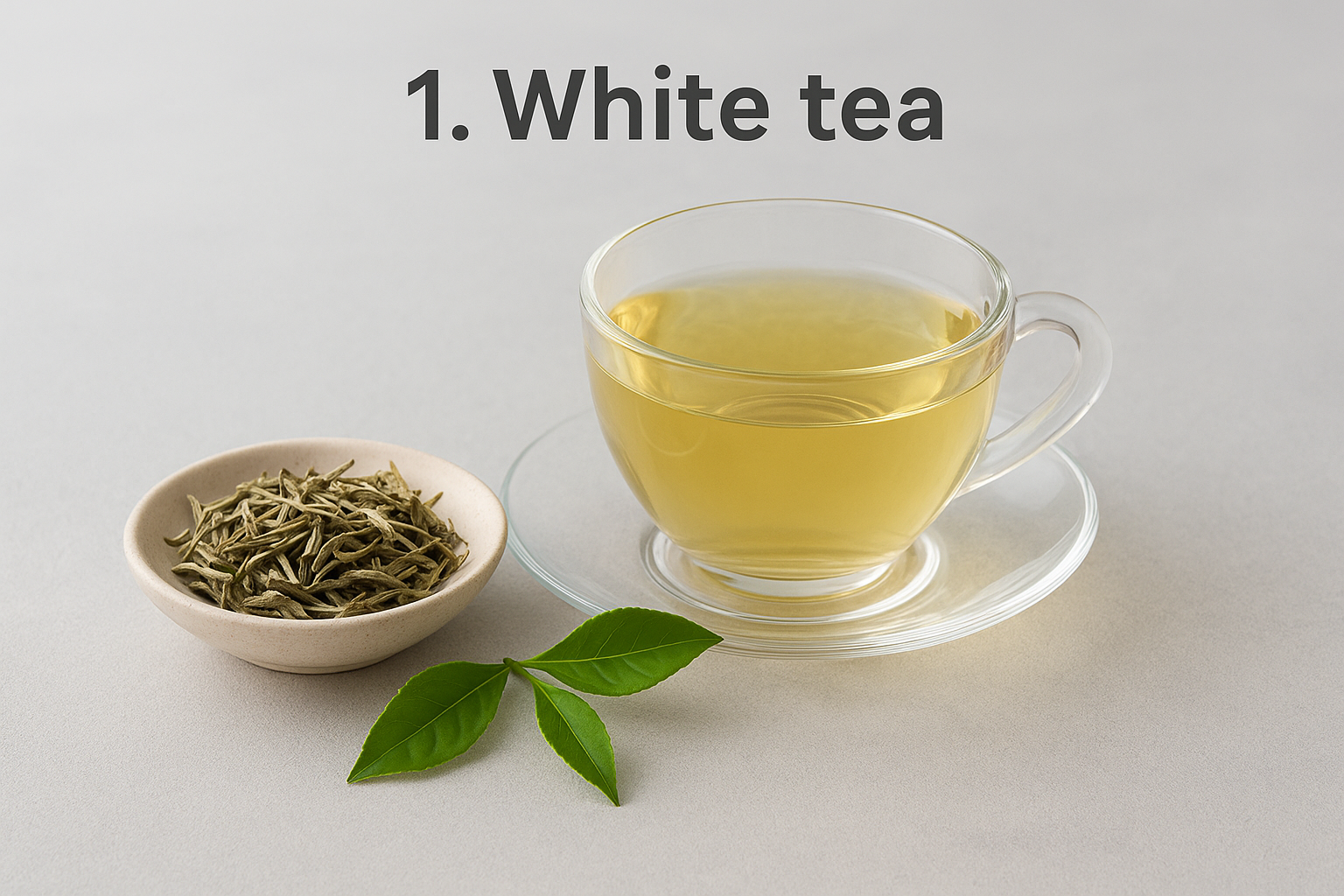
1. White tea
White tea is one of the most consistently popular picks across the entire CandleScience fragrance oils range, and it's easy to understand why. It sits in that clean, soft, universally appealing category that performs well across genders and age groups, making it a reliable choice whether you're building a product line or crafting for personal use.
Scent profile and key notes
This fragrance opens with delicate floral top notes layered over a light, watery base that mimics the subtle scent of steeped white tea leaves. The overall character is fresh without being sharp, green without being herbal, and clean without the coldness of pure ozonic scents. It reads as sophisticated and calm rather than sweet.
Cold throw vs hot throw expectations
Out of the bottle, white tea has a gentle but present cold throw that translates well in soy wax at room temperature. On the hot throw, it performs strongly in soy with a 10% fragrance load, though some makers push to 12% without issue. The scent stays true on burn, meaning the watery freshness you smell cold carries through without going sharp or soapy.
A 10% fragrance load in a 464 soy wax blend is a reliable starting point for white tea before you adjust up or down.
Best use cases in candles, melts and diffusers
White tea works beautifully in jar candles and reed diffusers where a light, lasting scent is more appropriate than something heavy or dominant. In wax melts it performs particularly well because the low-heat application keeps the delicate floral character intact rather than burning it off.
Blend ideas and starter ratios
Pair white tea with complementary notes to build more complex profiles:
- White tea 70% + eucalyptus 30%: clean and spa-like
- White tea 60% + jasmine 40%: adds a warm floral depth
- White tea 50% + sandalwood 50%: grounds the lightness with a woody base
Buying and compliance notes for Australia
CandleScience ships to Australia, but import costs and lead times add up quickly depending on order size. Check that any fragrance oil you purchase carries an IFRA compliance certificate and a Safety Data Sheet before using it in products you sell, as Australian consumer law requires safe, properly labelled goods.
2. Sea minerals
Sea minerals is a consistently popular aquatic-style fragrance across the candle science fragrance oils range. It delivers a coastal, clean character without tipping into artificial or overly sharp territory.
Scent profile and key notes
The scent opens with ozonic and salt-air top notes layered over light driftwood and soft musk. It reads like a cool morning by the ocean: fresh, airy, and grounding without any sweetness pulling it off course.
Cold throw vs hot throw expectations
Out of the bottle, sea minerals announces itself with a crisp, saline freshness. On the hot throw, it performs best at a 10% fragrance load in soy, where the clean character holds without turning sharp.
Keep your fragrance load at or below 10% in soy wax to avoid acceleration issues with this oil.
Best use cases in candles, melts and diffusers
Sea minerals suits container candles for bathrooms and living spaces particularly well. It also performs reliably in reed diffusers, where the aquatic quality lingers at a comfortable background level without dominating the room.
Blend ideas and starter ratios
Try these starting ratios before committing to larger batches:
- Sea minerals 60% + white tea 40%: clean and spa-like
- Sea minerals 70% + driftwood 30%: earthy and coastal
Buying and compliance notes for Australia
Always request an IFRA compliance certificate before using sea minerals in products you sell. Shipping from CandleScience to Australia incurs import duties, so factor those costs into your per-unit pricing before committing to a supplier.
3. Egyptian amber
Egyptian amber is one of the richest entries in the candle science fragrance oils range. If you want a warm, resinous anchor for a product line rather than something light or fresh, this one deserves a close look.
Scent profile and key notes
This fragrance builds around amber resin at its core, lifted by soft vanilla undertones and a trace of warm spice. The overall impression is luxurious and enveloping rather than sharp or sweet, sitting closer to a premium personal fragrance than a typical home scent.
- Top notes: warm spice
- Middle notes: amber resin
- Base notes: vanilla, soft musk
Cold throw vs hot throw expectations
Egyptian amber delivers a strong cold throw straight from the bottle, which helps it present well on a retail shelf. On the hot throw, it holds its character reliably at a 10% fragrance load in soy, staying rich without turning heavy or cloying through the full burn.
Cure your test candles for at least 48 hours before assessing the throw, as amber-based oils can shift noticeably during that period.
Best use cases in candles, melts and diffusers
This scent performs best in larger container candles where sustained heat draws out the resinous depth over time. Reed diffusers also carry the warmth well, making it a solid choice for living rooms and bedrooms.
Blend ideas and starter ratios
Blending opens up more layered profiles without losing the core amber character:
- Egyptian amber 60% + sandalwood 40%: deepens the woody base
- Egyptian amber 70% + black currant 30%: adds a fruity contrast to the warmth
Buying and compliance notes for Australia
Always request an IFRA compliance certificate before using this oil in products you sell. When ordering from CandleScience's US-based store, factor in import duties and shipping lead times to accurately calculate your per-unit cost before committing to a larger order.
4. Fireside
Fireside is a standout warm scent in the candle science fragrance oils range, built for cooler months and cosy interiors. It captures the feeling of a real fire without leaning into the synthetic smokiness that undercuts similar fragrances from other suppliers.
Scent profile and key notes
This fragrance centres on smoky birch and cedar, with dry wood and ash rounding out a base that genuinely reads like a lit fireplace. The overall character is masculine-leaning but versatile, working equally well in gender-neutral spaces and seasonal collections.
- Top notes: birch smoke
- Middle notes: cedar, dry wood
- Base notes: ash, light musk
Cold throw vs hot throw expectations
Fireside has a moderate cold throw that builds noticeably once the candle is lit. On the hot throw, it delivers strong performance at a 10% fragrance load in soy, with the smoky character staying controlled rather than overwhelming the space.
Test fireside at 8% first in coconut-soy blends, as smoke notes can intensify with higher heat output.
Best use cases in candles, melts and diffusers
This scent suits large container candles and pillar formats where extended burn time allows the smoke and wood notes to develop fully. Reed diffusers are a less natural fit here, since the smoky character tends to read flat without the heat activation a candle provides.
Blend ideas and starter ratios
These starting ratios give you a reliable foundation before you commit to larger production batches:
- Fireside 70% + sandalwood 30%: smooths the smoke with a woody base
- Fireside 60% + vanilla 40%: adds sweetness to balance the dry notes
Buying and compliance notes for Australia
Request an IFRA compliance certificate before using fireside in any products you sell commercially. Always confirm the oil's skin-safe classification if you plan to incorporate it alongside bath or body applications in your range.
Factor in import duties and shipping timelines from the US when calculating your landed cost per unit, as smaller order quantities can make international sourcing less cost-effective than sourcing locally.
5. Fraser fir
Fraser fir brings a sharp, resinous evergreen character to the candle science fragrance oils range that stands apart from the softer, more generic pine scents common in seasonal collections. It reads as genuinely outdoors-inspired rather than manufactured, which makes it a strong option for nature-themed or winter product lines.
Scent profile and key notes
The fragrance centres on fresh-cut fir needles and resinous sap, with light citrus brightness at the top and a clean woody base that stops it reading as heavy or overwhelming. The overall profile is cool, crisp, and linear, holding its character from the first sniff through to the full burn.
Cold throw vs hot throw expectations
Fraser fir presents a strong, immediate cold throw that carries well in soy wax at room temperature. On the hot throw, it performs reliably at a 10% fragrance load, with the needle and resin notes projecting cleanly without going sharp or chemical.
Test at 8% first if you're working with a high-melt-point soy, as the citrus top notes can thin out under sustained heat.
Best use cases in candles, melts and diffusers
This scent suits jar candles and seasonal tin formats where the evergreen character builds over a medium burn. Wax melts also carry it well for short, sharp fragrance hits in smaller rooms.
Blend ideas and starter ratios
- Fraser fir 70% + cedarwood 30%: deepens the woody base
- Fraser fir 60% + eucalyptus 40%: adds a cool, camphor-like freshness
Buying and compliance notes for Australia
Request an IFRA compliance certificate before using fraser fir in products you sell commercially. Factor in import duties from the US when calculating your landed unit cost, as shipping from CandleScience to Australia can shift your margins noticeably on smaller orders.
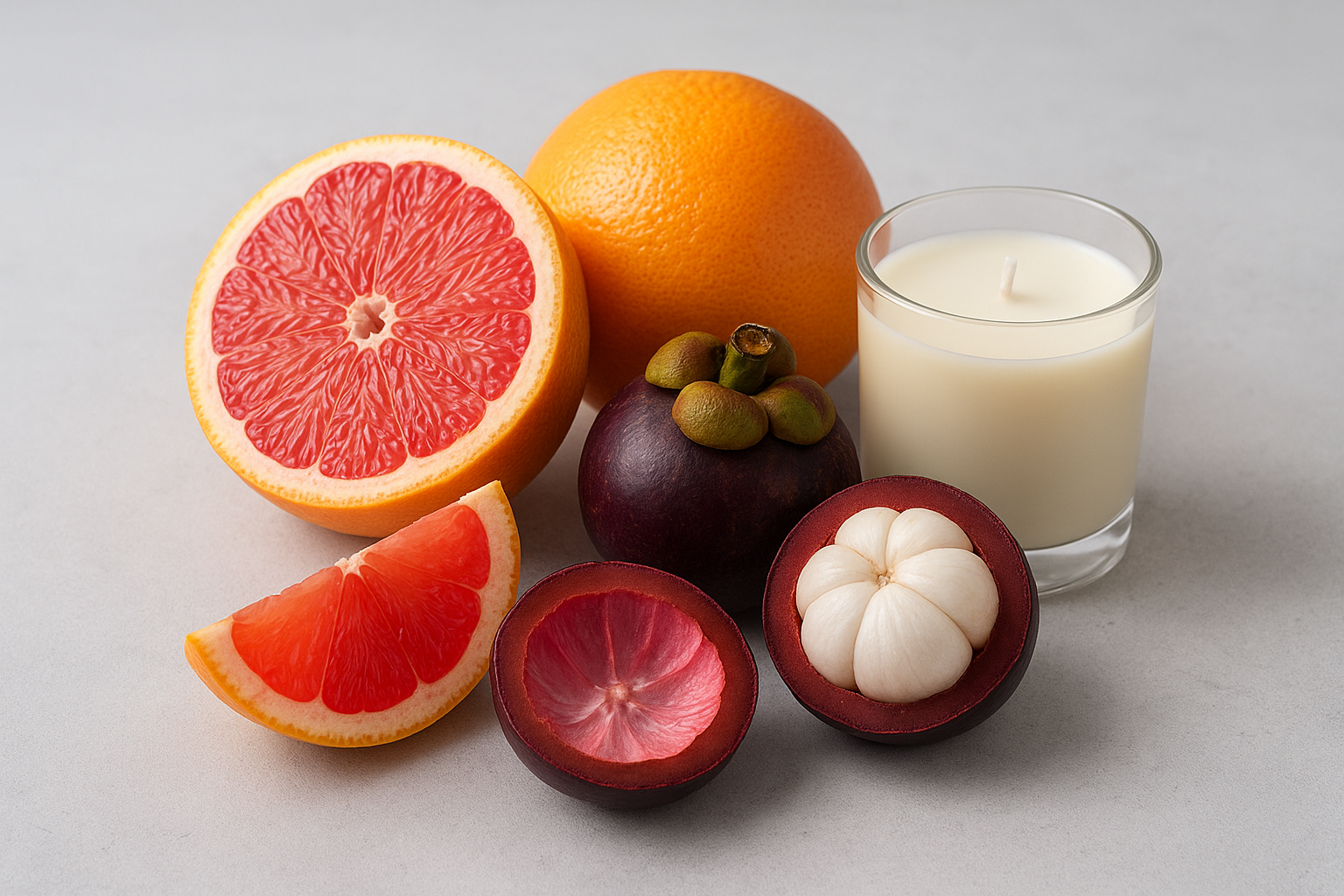
6. Grapefruit and mangosteen
Grapefruit and mangosteen brings a bright, tropical energy to the candle science fragrance oils range that separates it from more predictable citrus offerings. It suits makers looking to build a fresh, summer-ready product with genuine complexity rather than a single flat note.
Scent profile and key notes
This fragrance layers sharp grapefruit top notes over the lush, sweet-sour character of mangosteen, finishing with a light floral base that softens the citrus edge. The result reads as exotic and refreshing rather than candy-like or synthetic.
- Top notes: zesty grapefruit
- Middle notes: mangosteen pulp
- Base notes: light floral
Cold throw vs hot throw expectations
Grapefruit and mangosteen delivers a vibrant, immediately appealing cold throw that presents well in retail environments. On the hot throw, expect reliable citrus projection at a 10% fragrance load in soy, though the grapefruit note can thin out on extended burns.
Test at 10% and evaluate after a 48-hour cure before committing to a larger production batch.
Best use cases in candles, melts and diffusers
This scent performs strongly in small to medium container candles and wax melts, where citrus impact lands quickly without needing long burn times. Reed diffusers carry it well for light, everyday background fragrance in kitchens and bathrooms.
Blend ideas and starter ratios
- Grapefruit and mangosteen 70% + white tea 30%: clean and lifted
- Grapefruit and mangosteen 60% + jasmine 40%: adds a fuller floral mid-note
Buying and compliance notes for Australia
Always request an IFRA compliance certificate before using this oil in products you sell commercially. Factor import duties and shipping lead times from the US into your unit cost before placing a larger order with CandleScience.
7. Black currant and jasmine
Black currant and jasmine is one of the more sophisticated floral-fruity entries in the candle science fragrance oils range. It pairs dark berry intensity with soft, white floral warmth to produce a scent that reads as elegant rather than sweet or juvenile.
Scent profile and key notes
The fragrance opens with tart black currant, which quickly softens into a full jasmine heart supported by a light musky base. The result is complex and layered, sitting closer to a fine perfume than a typical fruit-forward candle scent.
Cold throw vs hot throw expectations
Out of the bottle, black currant announces itself clearly over a softer floral background. On the hot throw, it performs well at a 10% fragrance load in soy, with the jasmine note gaining presence as the candle burns and the fruit note settles.
Cure test candles for at least 48 hours before assessing the throw, as jasmine-heavy oils often need time to bind fully with soy wax.
Best use cases in candles, melts and diffusers
This scent suits medium to large container candles and performs reliably in reed diffusers for bedrooms and living areas where a refined, lingering fragrance fits the space well.
Blend ideas and starter ratios
- Black currant and jasmine 70% + sandalwood 30%: anchors the floral with a warm woody base
- Black currant and jasmine 60% + rose 40%: deepens the overall floral character
Buying and compliance notes for Australia
Always request an IFRA compliance certificate before using this oil in products you sell commercially. Factor import duties and shipping lead times from the US into your unit cost before placing an order with CandleScience.
8. Rosemary sage
Rosemary sage is one of the cleanest herbal entries in the candle science fragrance oils range. It suits makers who want a grounded, kitchen-herb character without veering into medicinal or synthetic territory.
Scent profile and key notes
This fragrance pairs sharp rosemary with the softer, earthier warmth of sage, finishing with a light woody base that keeps it from reading as too green or sharp. The overall profile is herbaceous and refreshing, landing somewhere between a garden after rain and a well-stocked spice shelf.
Cold throw vs hot throw expectations
Out of the bottle, rosemary sage delivers a confident, immediate cold throw with the rosemary note leading clearly. On the hot throw, it performs well at a 10% fragrance load in soy, with the sage coming forward as the candle warms and adding depth to the overall scent.
Test at 8% first if you are working with a coconut-soy blend, as herbal notes can sharpen noticeably at higher heat output.
Best use cases in candles, melts and diffusers
Rosemary sage suits small container candles and wax melts for kitchens, bathrooms, and workspaces where a clean, focused scent fits the environment without feeling heavy or intrusive.
Blend ideas and starter ratios
- Rosemary sage 70% + eucalyptus 30%: crisp and cooling
- Rosemary sage 60% + white tea 40%: softens the herb with clean freshness
Buying and compliance notes for Australia
Always request an IFRA compliance certificate before using this oil commercially. Factor import duties and shipping lead times from the US into your unit cost before placing a CandleScience order.
Next steps
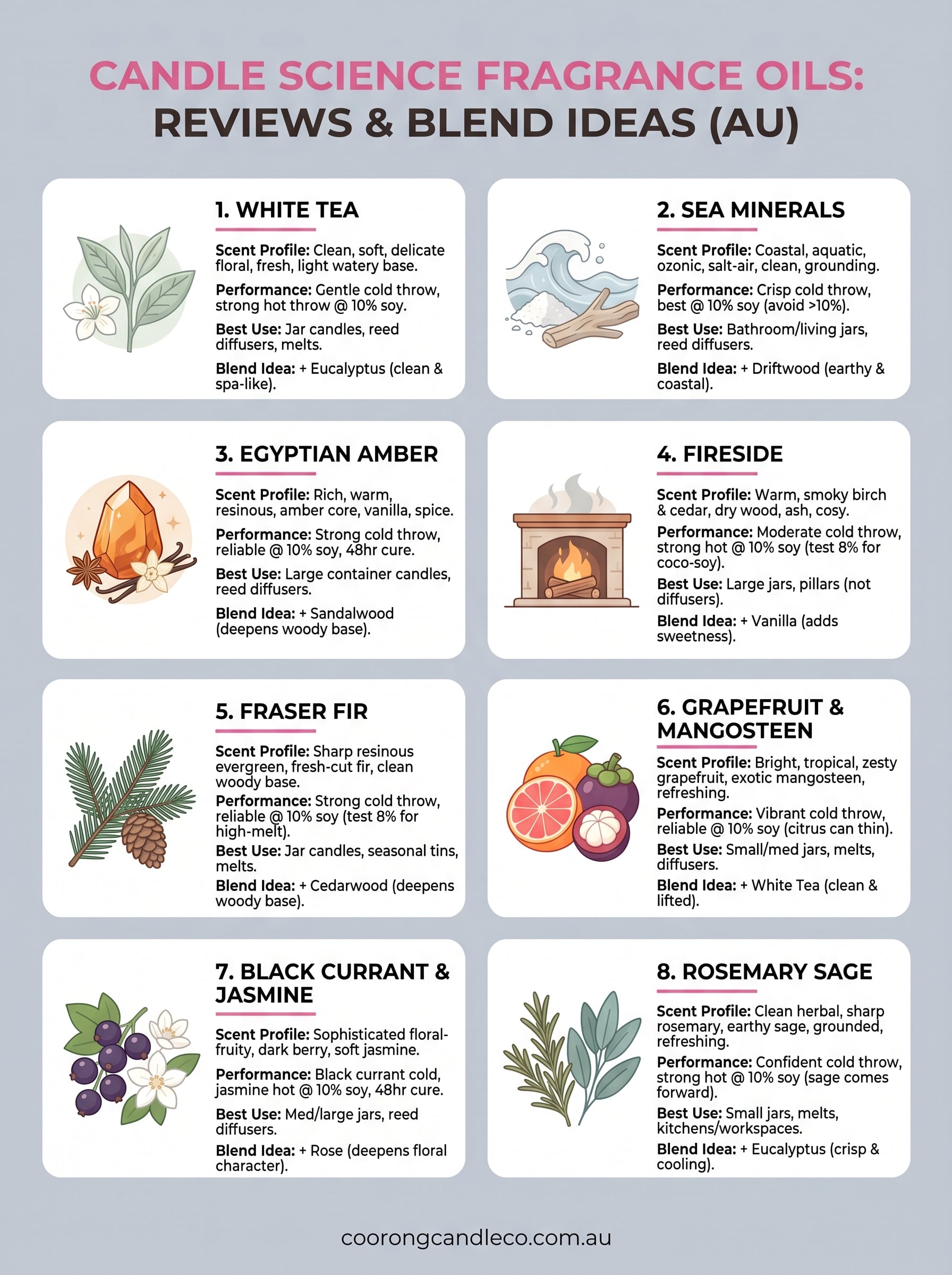
The eight candle science fragrance oils covered here give you a solid starting point, whether you are building a product range from scratch or refining an existing line. Each oil has distinct strengths, and understanding how they perform in soy wax at different load percentages saves you time and wasted material. Always request IFRA compliance documentation and factor import costs into your pricing before you commit to a supplier.
If you want to skip the sourcing headaches and trial-and-error process entirely, exploring a finished product range from an established Australian maker is worth your time. Coorong Candle Co. hand-pours every product in small batches using eco-friendly soy wax and carefully tested fragrances inspired by the South Australian landscape. You can browse our full collection of natural soy candles, reed diffusers, and gift sets and find something ready to enjoy or give without the guesswork.