
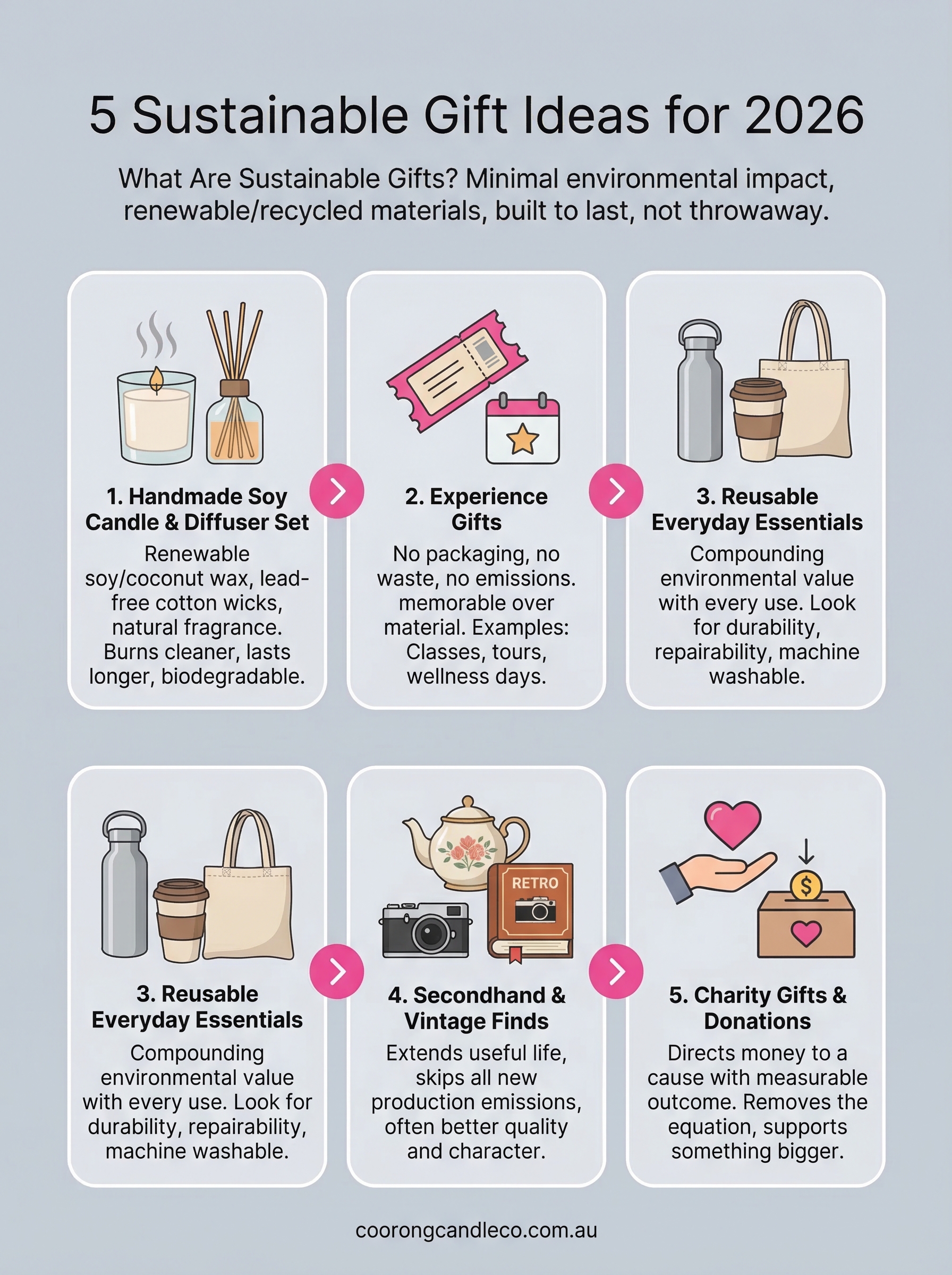
Buying a gift that looks good, feels thoughtful, and doesn't cost the earth, literally, shouldn't be complicated. Yet with so much greenwashing out there, it's fair to ask: what are sustainable gifts, really? At its core, a sustainable gift is one made with minimal environmental impact, using renewable or recycled materials, and built to be enjoyed rather than thrown away. It's the opposite of single-use, mass-produced filler that ends up in landfill within weeks.
Here at Coorong Candle Co., we pour every candle, diffuser, and bath product by hand using eco-friendly soy wax and carbon-free ingredients, so this topic sits close to home for us. We built our business around the idea that luxury and sustainability belong together, not at opposite ends of the shelf.
In this guide, we'll break down five genuinely eco-friendly gift ideas for 2026, covering what makes each option sustainable and who they're perfect for. Whether you're shopping for a birthday, housewarming, or just-because moment, you'll walk away with practical picks you can feel good about giving.
1. Handmade soy candle and diffuser gift set
A handmade soy candle and diffuser set ticks nearly every box when you think about what are sustainable gifts. These products are small-batch made, they burn cleanly, and a quality set can last months in someone's home rather than days in a recycling bin.
Why this counts as a sustainable gift
Soy wax comes from renewable soybeans, not petroleum, which makes it a fundamentally cleaner choice than paraffin. When paired with lead-free cotton wicks and a reed diffuser using natural fragrance oils, the set produces far less soot and chemical output than conventional alternatives. The result is a gift that gets used daily and biodegrades far more easily at end of life.
A soy candle made with natural ingredients burns up to 50% cleaner than a standard paraffin candle, reducing indoor air pollutants significantly.
What to look for in materials, packaging, and supply chain
Check that the candle uses 100% soy or coconut wax rather than a blend, which can mask paraffin content. Packaging matters too: look for brands that use recycled cardboard and minimal plastic, and that openly state where they source their wax and fragrance. A short, transparent supply chain usually signals a genuinely artisan product. Key things to verify before buying:
- Wax type clearly listed (avoid "wax blend" without specifics)
- Cotton or wood wicks only, no metal core
- Fragrance oils free from phthalates
- Recyclable or compostable outer packaging
Who this gift suits and when it works best
This gift works for almost anyone who values their home environment and personal comfort, making it ideal for housewarmings, Mother's Day, birthdays, and end-of-year giving. If the recipient enjoys winding down at home, a regionally inspired scent adds a layer of meaning that a generic gift card never could.
Budget and lifespan expectations in Australia
In Australia, a quality soy candle and diffuser gift set typically sits in the $50 to $90 range. A 350g soy candle burns for roughly 60 to 70 hours, and a reed diffuser can last three to four months with regular use. That cost-per-use is competitive with most consumable gifts and significantly better than a single-use item at the same price point.
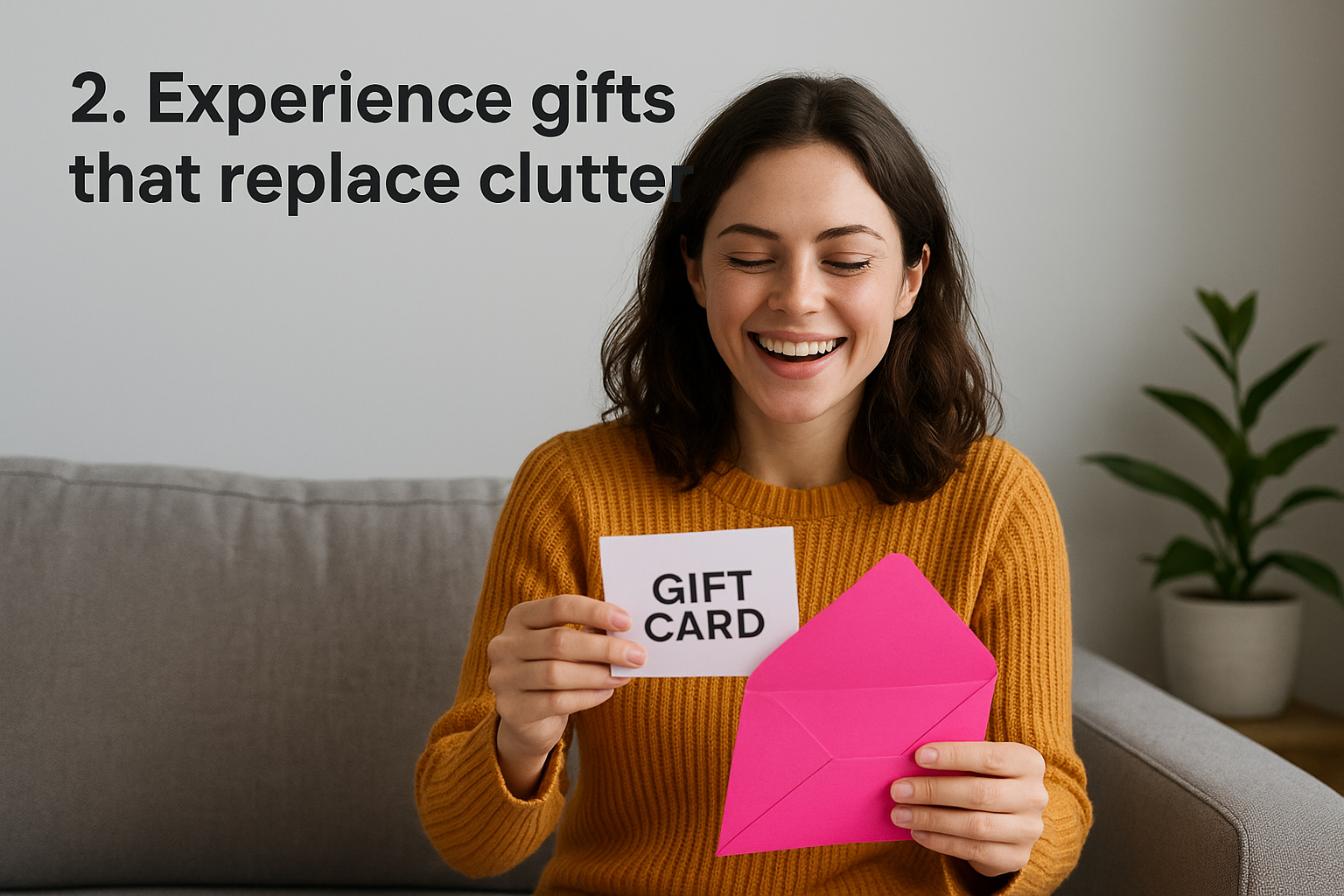
2. Experience gifts that replace clutter
When you think about what are sustainable gifts, physical products often come to mind first. But experience gifts can be the most sustainable option of all, since they generate no packaging waste, no shipping emissions, and no landfill at end of life.
Why experiences often beat physical gifts for waste reduction
Every physical gift carries a footprint before it reaches the recipient's hands: raw materials, manufacturing, and transport all add up. An experience gift skips most of that entirely. The recipient gains something they remember rather than something they store, and you avoid contributing to the cycle of unwanted stuff that accumulates in homes over time.
Experiences consistently rank higher than material gifts for long-term satisfaction, largely because they don't fade the way physical items do once the novelty wears off.
High-impact experience ideas for different personalities
Match the experience to the person. A cooking or pottery class suits someone creative, while a national park guided tour works for the outdoors type. For wellness lovers, consider a spa day or sound bath session. The key is choosing something the recipient would genuinely book for themselves but hasn't yet.
How to present an experience gift without extra waste
Skip the gift box and write a personal card with the details instead. A printed voucher in a recycled envelope keeps things simple and waste-free. Digital delivery works just as well for last-minute giving.
Budget and practicality tips for Australian buyers
Experiences in Australia range from $30 for a local workshop to several hundred for a weekend retreat. Book directly with the provider to avoid third-party fees, and confirm cancellation or reschedule policies upfront so the gift stays practical for everyone involved.
3. Reusable everyday essentials people actually use
Reusable products are a strong answer to what are sustainable gifts because their environmental value compounds over time. Every use of a quality reusable item instead of a single-use alternative reinforces the gift's credentials long after the wrapping comes off.
The sustainability test: durability, repair, and reusability
A truly sustainable reusable item needs to last long enough to offset its own production footprint. Before buying, check whether the item is repairable, machine washable, or refillable, since those qualities extend its useful life significantly.
A reusable coffee cup needs to replace around 15 to 100 single-use cups just to break even on its production emissions, depending on the material.
Best reusable gift ideas for home, work, and travel
Good reusable gifts fit naturally into daily routines, which is why they actually get used. Consider these practical options across different settings:
- Home: beeswax food wraps, cloth produce bags
- Work: stainless steel drink bottle, reusable coffee cup
- Travel: collapsible cutlery set, reusable shopping tote
How to avoid "reusable" greenwashing
Some products claim to be reusable but wear out within weeks, defeating the purpose entirely. Look for items with clear material disclosures and honest durability claims, not vague environmental language without specifics on lifespan or repairability.
Budget guide and expected cost-per-use
Most quality reusable essentials cost between $20 and $60 in Australia. Spread across hundreds of uses, the cost-per-use drops well below any single-use equivalent at the same price point:
- $20 to $35: cloth wraps, produce bags, tote bags
- $35 to $60: stainless steel bottles, reusable cups
4. Secondhand and vintage finds that last
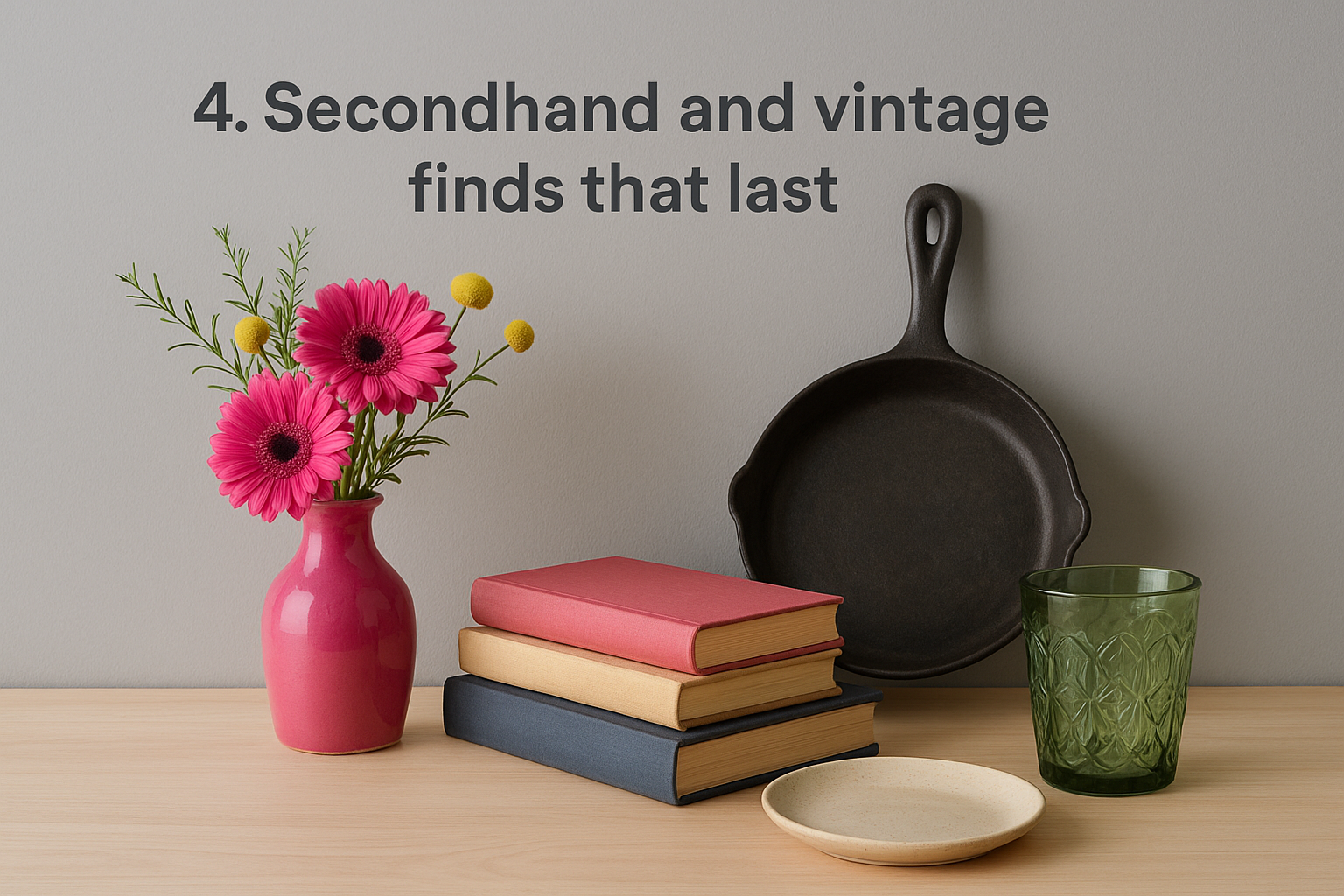
Secondhand gifts challenge the assumption that answering what are sustainable gifts always means buying something new. When you give a pre-loved item, you extend its useful life, skip all new production emissions, and often end up with something more characterful than anything on a retail shelf.
Why secondhand is one of the most sustainable options
The most significant environmental cost of most products sits in their manufacturing phase, not their disposal. By gifting something that already exists, you bypass that cost entirely. A vintage ceramic piece or cast-iron pan carries zero new production footprint and typically outlasts brand-new equivalents.
Buying secondhand avoids roughly 80% of a product's lifetime environmental impact, which occurs during manufacturing before the item ever reaches a consumer.
What to buy secondhand that still feels gift-worthy
Focus on items with inherent longevity and visual appeal. These categories hold up well and carry a story that makes them feel considered rather than simply recycled:
- Quality cookware and cast iron
- Hardback books and vintage glassware
- Clothing from more durable decades
Quality checks: safety, hygiene, and longevity
Before purchasing, check for structural integrity and surface cleanliness. Avoid secondhand electrical items unless they have been properly tested, and inspect contact areas carefully on anything food-related or wearable to confirm it is safe and hygienic.
Where Australians can shop for reliable pre-loved gifts
Local op shops, weekend markets, and estate sales let you inspect items in person before committing. Online, Facebook Marketplace and Gumtree allow you to review seller photos and item history, so you can assess condition and ask questions upfront.
5. Charity gifts and donations with a clear outcome
Charity gifts round out the answer to what are sustainable gifts by removing the product equation entirely. Instead of buying something physical, you direct money toward a cause with a measurable outcome, giving the recipient something that matters beyond the material.
When a charity gift is the most sustainable choice
This option works best when the recipient already has everything they need and places high value on social or environmental causes. It suits people who are actively trying to reduce household clutter or who have expressed frustration with receiving unwanted items over the years.
How to choose a reputable charity gift or donation
Look for charities that publish clear outcome reports and show exactly how donations are used. Organisations registered with the Australian Charities and Not-for-profits Commission (ACNC) are independently regulated, which gives you a reliable starting point when assessing credibility.
Choosing a charity registered with the ACNC means it meets strict accountability and transparency standards, so your gift actually reaches its intended purpose.
How to match the cause to the recipient
Think about what the person cares about in their daily life. An environmentalist might appreciate a reef restoration donation, while an animal lover could value wildlife rescue funding. Personalising the cause transforms what could feel like a generic gesture into something genuinely considered.
Budget options and how to communicate impact honestly
Charity gifts work at almost any budget, from $10 to several hundred dollars. Rather than overstating impact, share the specific outcome the donation funds, such as a tree planted or a meal provided, so the recipient understands exactly what their gift achieves.
Next steps for sustainable gifting
Now you have a clear picture of what are sustainable gifts, the next step is simply to start applying that lens to your next purchase. Every one of the five options covered here, from a handmade soy candle set to a charity donation, offers a genuine alternative to impulse buying. The common thread is intention: choosing something made well, used often, and valued by the person receiving it.
Start small if you need to. Pick one category that suits your recipient and your budget, then build from there. If you want a gift that feels luxurious, locally made, and genuinely eco-conscious, a handmade candle and diffuser set from a small Australian producer is a strong place to begin. Browse our natural soy candles and reed diffuser gift sets to find something that suits the occasion and the person you are buying for.