
Your bathroom should be a retreat, a place where you can exhale, reset, and feel genuinely comfortable. But between lingering odours, harsh chemical cleaners, and the general chaos of daily life, that vision doesn't always match reality. Choosing the best essential oils for bathroom use is one of the simplest ways to close that gap, turning an ordinary space into something that actually supports your well-being.
At Coorong Candle Co., we spend our days working with natural fragrances, hand-pouring soy candles, blending reed diffusers, and crafting bath bombs from our studio in South Australia. We know firsthand how the right scent transforms a room and how it changes the way you feel in it. That experience with botanicals and essential oils shapes everything we make.
This guide covers six essential oils worth keeping in your bathroom, whether you're after fresher air, a cleaner space, or a few minutes of genuine calm. We'll walk through what each oil does best and how to actually use it, no vague promises, just practical recommendations you can act on today.
1. Eucalyptus
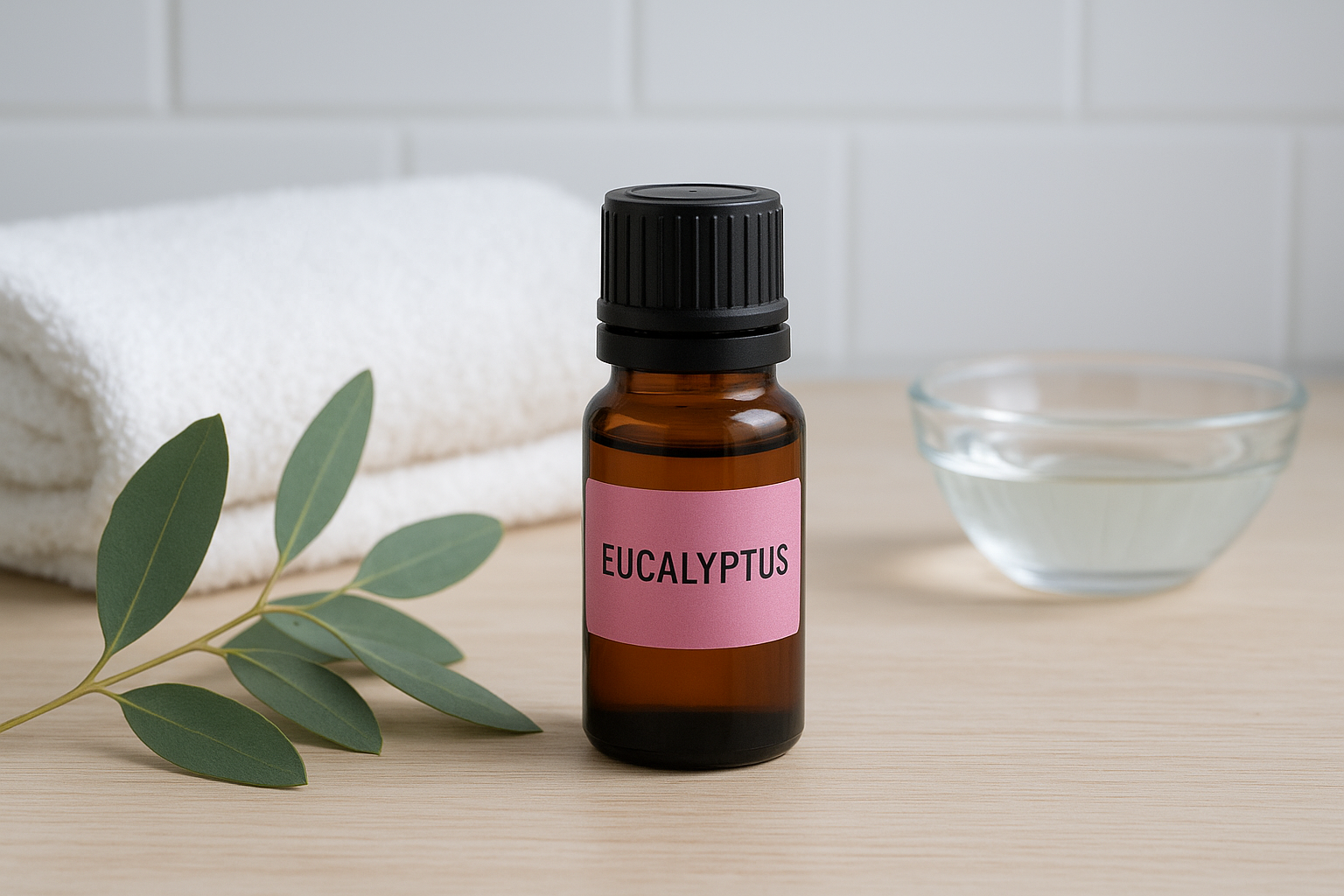
Eucalyptus is probably the most recognisable essential oil on this list. Its sharp, camphorous scent clears the air almost immediately, and it brings a sense of cleanliness that few other oils can match. If you want your bathroom to smell like it's just been properly cleaned, eucalyptus is the oil to reach for first.
What it's best for in a bathroom
Eucalyptus oil does several things well in a bathroom setting. Its natural antimicrobial properties help cut through the damp, musty smell that builds up in poorly ventilated spaces, and research shows it contains compounds like cineole (also called eucalyptol) that actively inhibit the growth of certain bacteria and fungi.
Beyond odour control, eucalyptus performs particularly well in a shower or bath environment because steam activates its volatile compounds. That release of aroma during a hot shower mirrors what happens in a steam room, and it has a similar opening effect on your airways. If you've ever used a eucalyptus-scented product in the shower and noticed your breathing ease, that's the cineole doing its job.
How to use it in a small, steamy space
The easiest approach is to add three to five drops directly onto the floor of your shower, just outside the direct stream of water. Steam carries the scent upward without washing the oil straight down the drain, and you get the full aromatic effect without needing any equipment.
If you want a consistent release throughout the day, a reed diffuser placed on your bathroom shelf delivers a steady, low-level scent without heat or water required.
For cleaning, mix ten drops of eucalyptus oil with water and a small amount of white vinegar in a spray bottle. Use it on tiles, surfaces, and around the toilet for a natural clean that carries genuine antimicrobial backing rather than just smelling good.
Safety notes and who should avoid it
Eucalyptus is potent, and using too much in a confined space can trigger headaches or dizziness, particularly for anyone sensitive to sharp, intense scents. Start with two drops and adjust gradually from there.
Pregnant women, breastfeeding mothers, and households with children under ten should avoid eucalyptus oil entirely. It is toxic if ingested, and you should never apply it directly to skin without first diluting it in a carrier oil.
2. Tea tree
Tea tree oil sits near the top of any list of the best essential oils for bathroom use, and for good reason. It carries a clean, medicinal scent that signals hygiene, and its natural antifungal and antibacterial compounds give it practical muscle to back that reputation up.
What it's best for in a bathroom
Mould and mildew are where tea tree genuinely earns its place in your cleaning kit. Bathrooms are damp environments by design, and that moisture creates ideal conditions for mould to take hold around grout lines, sealant, and corners. The active compound terpinen-4-ol in tea tree oil has demonstrated antifungal activity in research settings, making it a practical addition to your cleaning routine rather than just a fragrant one.
How to use it in a small, steamy space
Add five drops to a spray bottle filled with water and a splash of white vinegar, then apply the mix directly to grout lines and the areas around your shower screen. Let it sit for a few minutes before wiping the surface clean.
Used consistently, this simple spray keeps surface mould from getting a foothold before it becomes a bigger problem.
Safety notes and who should avoid it
One important caution: tea tree oil is toxic when swallowed, so store it well out of reach of children and pets. Avoid contact with eyes and mucous membranes, and always dilute it in a carrier oil before applying it to skin to reduce the risk of irritation or an allergic reaction.
3. Lemon
Lemon essential oil brings a bright, citrus-forward scent that cuts through stale air with very little effort. It's one of the most uplifting oils you can keep on hand and one of the most versatile when it comes to bathroom use, pulling double duty as both a natural deodoriser and a surface cleaner.
What it's best for in a bathroom
Among the best essential oils for bathroom upkeep, lemon oil stands out because it tackles two problems at once: odour and grease. Its key active compound, d-limonene, has demonstrated antimicrobial and solvent properties, making it genuinely useful on soap scum, greasy residue, and general grime rather than simply masking smells with a pleasant fragrance.
How to use it in a small, steamy space
Add four to six drops to a cotton ball and tuck it near your bin or behind the toilet to keep your bathroom smelling clean without any diffuser required. For surfaces, combine ten drops with baking soda and a small amount of dish soap to create a simple paste that lifts soap scum from tiles and basin edges effectively.
Lemon oil in a diffuser during your morning routine can genuinely lift your mood before the day begins, a small shift with a noticeable effect.
Safety notes and who should avoid it
Lemon oil is photosensitive, so avoid applying it to your skin before exposure to direct sunlight. Always dilute it in a carrier oil before any skin contact, and store it well out of reach of children and pets.
4. Lavender
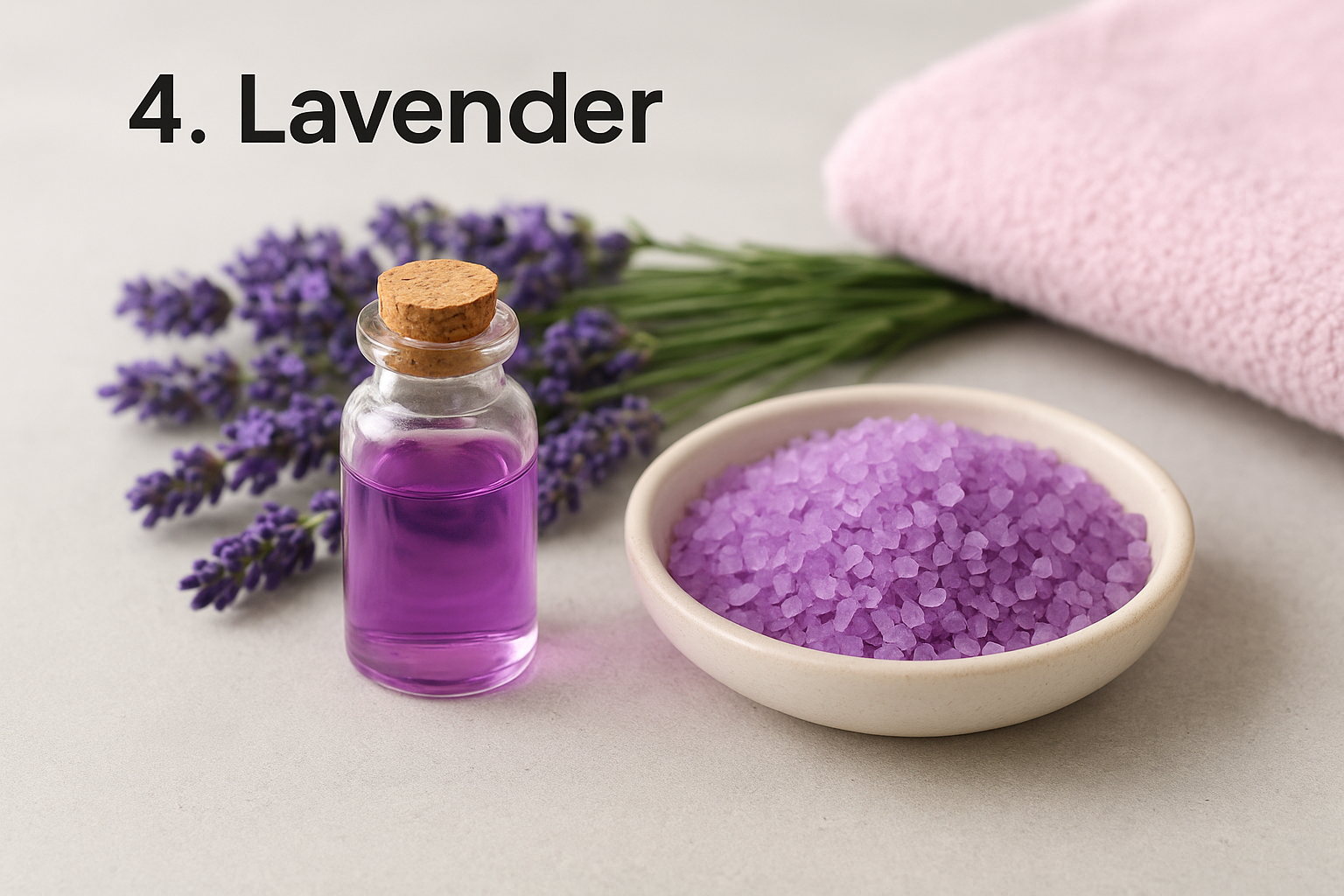
Lavender is the most widely recognised relaxation oil available, and its reputation is well-earned. While other oils on this list focus primarily on cleaning or deodorising, lavender brings a different kind of value to your bathroom, one centred on winding down and creating genuine calm.
What it's best for in a bathroom
Among the best essential oils for bathroom relaxation, lavender leads the field. Research into sleep and anxiety has found that lavender's primary compound, linalool, measurably reduces stress and supports deeper sleep when inhaled. That makes your bathroom, particularly your bath or pre-bed shower routine, one of the best places to put it to work.
A few drops of lavender in your evening bath can shift your nervous system from alert to calm in well under twenty minutes.
How to use it in a small, steamy space
Add four to six drops directly to a warm bath and swirl the water before getting in. Alternatively, place two to three drops on the floor of your shower just outside the water stream to let steam carry the scent without washing the oil away too quickly. A reed diffuser works well in a bathroom if you want a consistent ambient scent throughout the day rather than just during bathing.
Safety notes and who should avoid it
Lavender is one of the gentler oils on this list, but you should still dilute it before applying it to skin. There is evidence that frequent topical use of undiluted lavender may cause skin sensitisation over time, so reach for a carrier oil to stay safe.
5. Peppermint
Peppermint essential oil brings an immediate cooling, sharp scent that most people recognise from toothpaste and mints. That familiar freshness makes it one of the most effective odour-neutralising oils you can keep in your bathroom, cutting through stale smells without overwhelming the space.
What it's best for in a bathroom
Peppermint earns its spot on the best essential oils for bathroom list through its ability to neutralise odours quickly and create a genuine sense of alertness. Its primary active compound, menthol, stimulates cold receptors in your nose, producing that characteristic cooling sensation and helping to wake you up during a morning shower routine.
How to use it in a small, steamy space
Add two to three drops to the floor of your shower just outside the water stream and let the steam activate the menthol. A small amount goes a long way in an enclosed bathroom, so resist the urge to pour generously.
Start with two drops and build from there. Peppermint fills a confined space quickly, and too much can feel overwhelming rather than refreshing.
Cotton balls placed near your bathroom bin also work well as a low-effort odour control solution between cleans, with no diffuser or equipment required.
Safety notes and who should avoid it
Peppermint is not safe for use around children under two years old, and you should keep it away from their skin and airways entirely. Always dilute it in a carrier oil before applying it to your skin to avoid irritation or sensitivity reactions.
6. Lemongrass
Lemongrass has a bright, grassy-citrus scent that sits somewhere between lemon and fresh herbs. It's less common than eucalyptus or lavender, but it earns its place on any list of the best essential oils for bathroom use through a combination of odour control, antimicrobial properties, and a distinctive freshness that genuinely clears a space rather than just layering over existing smells.
What it's best for in a bathroom
Lemongrass is particularly effective at neutralising persistent bathroom odours, especially the kind that build up in poorly ventilated spaces. Its primary active compound, citral, has demonstrated antibacterial and antifungal activity in research settings, giving it practical function well beyond fragrance. It also works as a natural insect deterrent, which makes it a useful choice for bathrooms that attract mosquitoes or small flies during warmer months.
Lemongrass pairs well with eucalyptus or tea tree if you want stronger antimicrobial coverage without sacrificing scent.
How to use it in a small, steamy space
Add three to four drops to your diffuser or place a few drops on a cotton ball near your bathroom basin. For a cleaning spray, combine eight drops with water and white vinegar in a small bottle and apply it to surfaces and floors for a fresh, citrus-forward result.
Safety notes and who should avoid it
Lemongrass is a skin sensitiser when used undiluted, so always mix it with a carrier oil before any skin contact. Pregnant women and young children should avoid it entirely, and keep it stored away from pets, as it can be toxic to cats and dogs when inhaled in concentrated amounts.
Quick recap and next steps
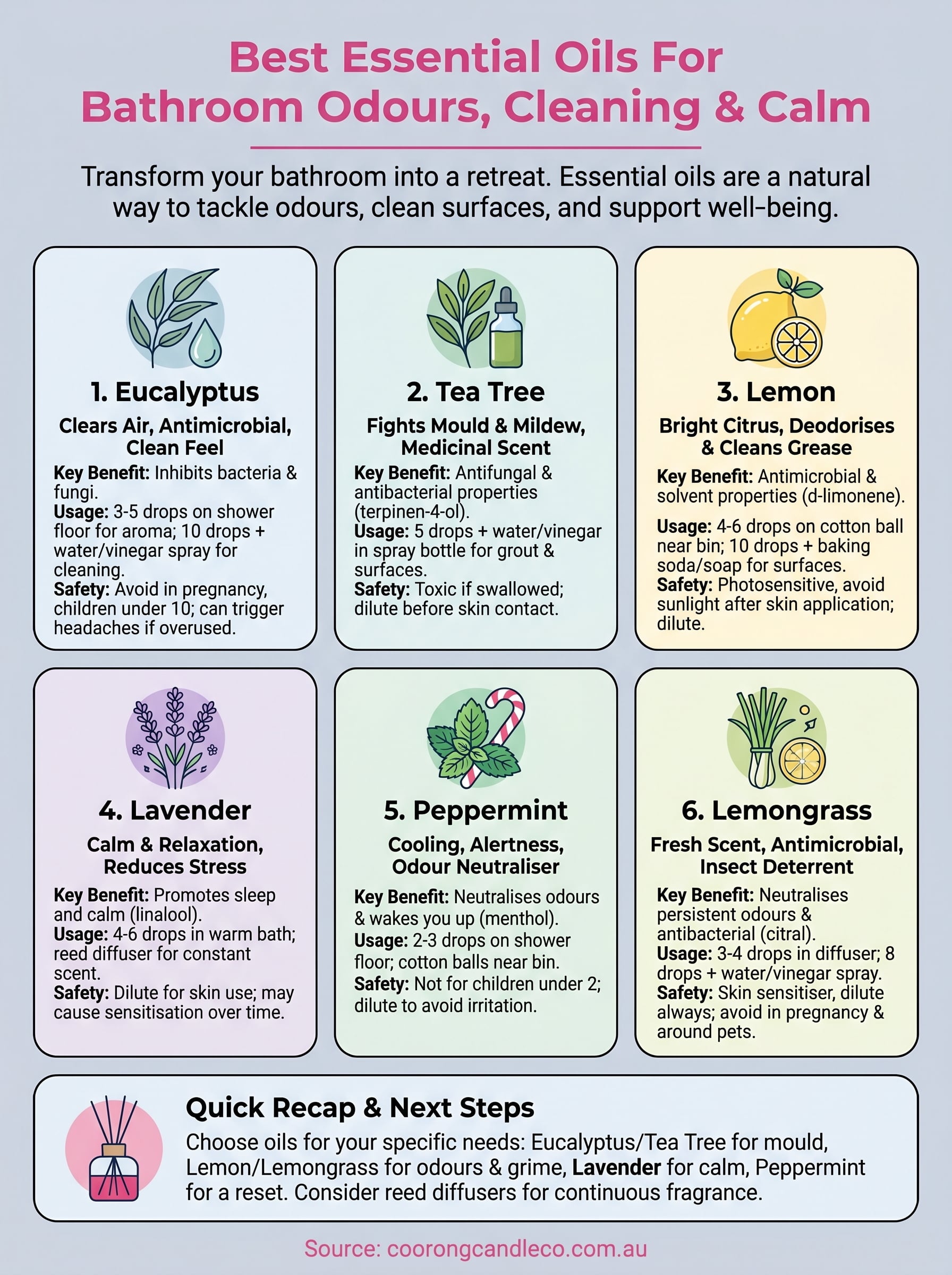
The best essential oils for bathroom use each bring something different to the table. Eucalyptus and tea tree tackle mould, bacteria, and damp odours with genuine antimicrobial compounds behind them. Lemon and lemongrass cut through stale air and surface grime while keeping things smelling bright and clean. Lavender shifts the mood of your evening routine, and peppermint delivers a sharp morning reset that no synthetic air freshener can replicate.
Start with one or two oils that match your most pressing bathroom problem, whether that's persistent odours, surface mould, or the need for a calmer wind-down ritual. Build from there once you know what works for your space. If you want an easier way to keep your bathroom consistently fragrant without measuring drops every day, our reed diffusers provide a steady, long-lasting scent release with no flame or fuss required.