
Choosing the best wick for soy container candles can make or break your finished product. Too small, and you get tunnelling and weak scent throw. Too large, and you're dealing with sooting, mushrooming, and jars that overheat. Either way, hours of work go to waste.
At Coorong Candle Co., we hand-pour every soy candle in our South Australian workshop, and wick selection is the single decision we obsess over most. Through years of testing across our 350g jars and 165g travel tins, we've learned exactly how different wick types behave in soy wax, and how dramatically they affect burn quality and fragrance performance. It's rarely a one-size-fits-all answer.
This guide breaks down six reliable wick options that pair well with soy wax in container candles. We cover what each wick does best, which jar diameters they suit, and how to narrow down the right choice for your specific setup, so you spend less time re-testing and more time pouring candles that actually burn the way they should.
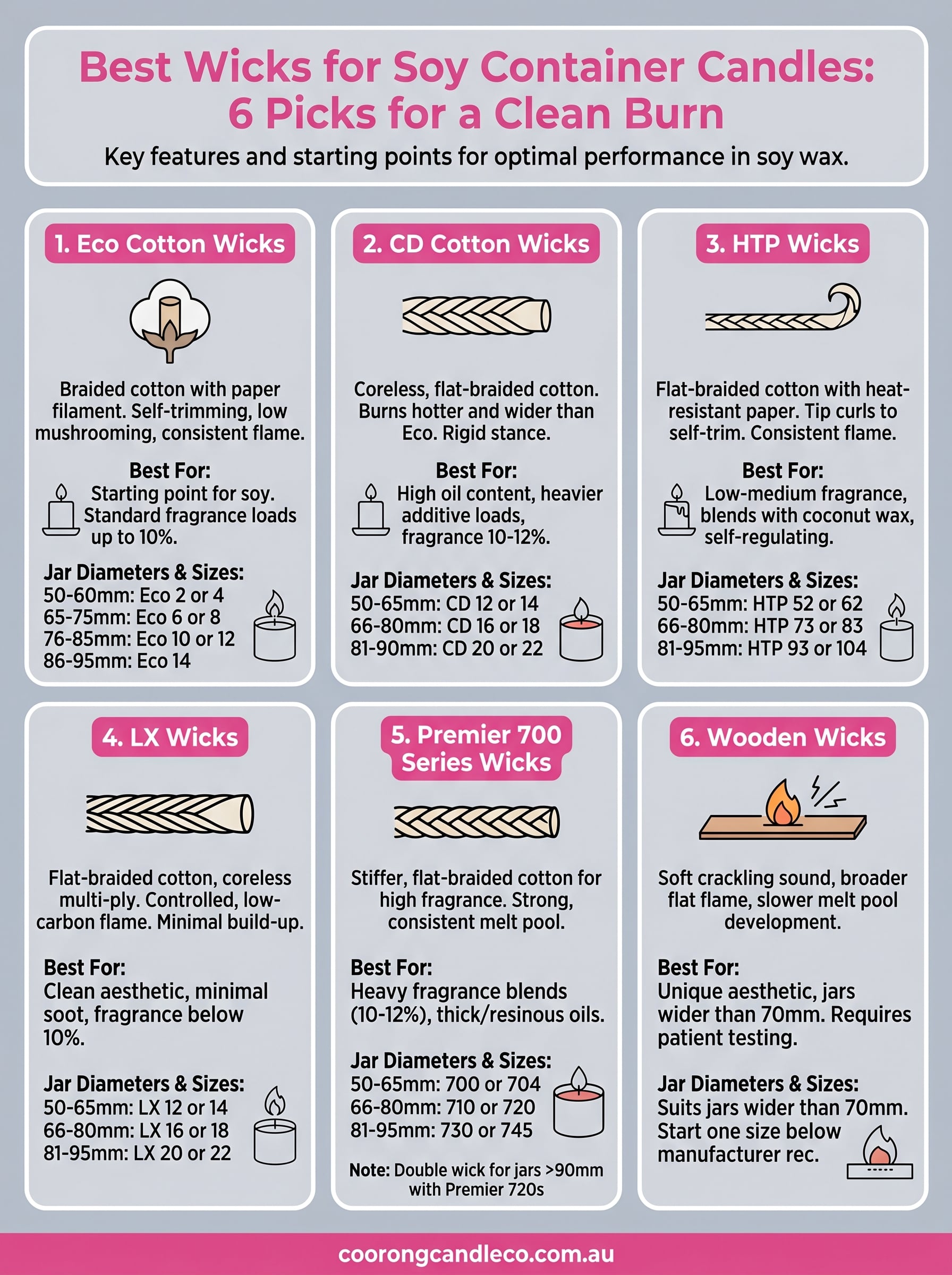
1. Eco cotton wicks
Eco wicks are braided cotton wicks with a paper filament woven through the core. That paper thread gives the wick a slight self-trimming action as it burns, which keeps the flame height consistent and reduces mushrooming noticeably. For most soy container makers, Eco wicks are the logical starting point before moving to more specialised options.
Why Eco wicks suit soy container candles
Soy wax has a lower melt point than paraffin, which means it produces a softer melt pool that can drown a wick without enough structural support. Eco wicks hold their shape well in that environment, staying upright through the full burn without curling into the wax. They also work well with fragrance loads up to 10%, which covers most standard soy candle blends and makes them a practical first choice when finding the best wick for soy container candles.
If you're just starting out and want a reliable all-rounder for soy containers, Eco wicks are the most forgiving option to test first.
Jar diameters and starting wick sizes
Your jar diameter determines your starting Eco wick size. Use the table below as a baseline before you begin burn testing:
| Jar Diameter | Starting Eco Wick Size |
|---|---|
| 50-60mm | Eco 2 or Eco 4 |
| 65-75mm | Eco 6 or Eco 8 |
| 76-85mm | Eco 10 or Eco 12 |
| 86-95mm | Eco 14 |
These are starting points only. Your fragrance oil, dye load, and pour temperature all affect how the wick performs, so always complete at least three full test burns before locking in your choice.
Signs you need to size up or down
A wick that is too small leaves unmelted wax clinging to the jar walls after two hours of burning. You will also notice a weak scent throw and a small, struggling flame. Size up one step and retest on a fresh pour.
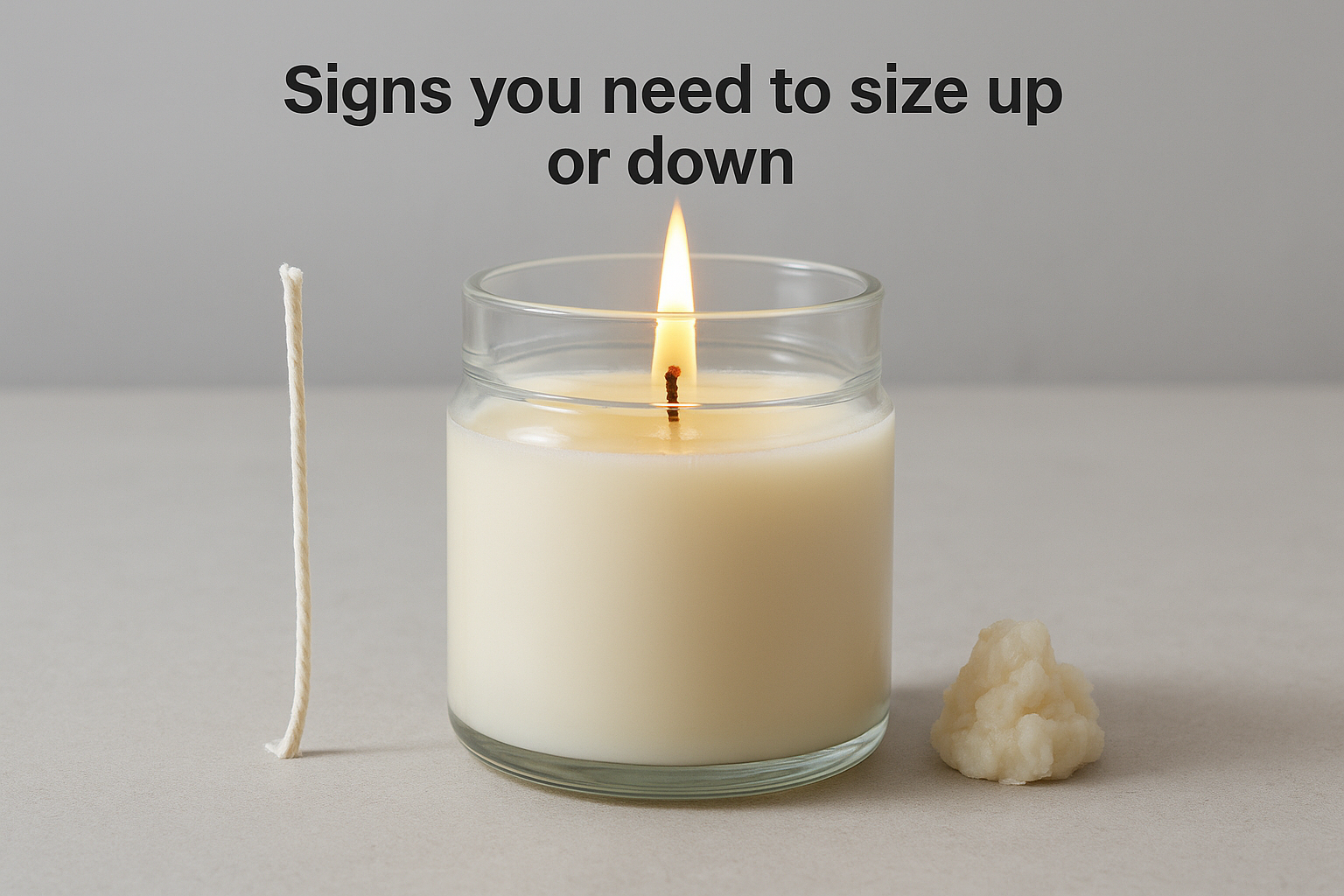
Going too large shows up as a tall, flickering flame, heavy carbon mushrooming at the wick tip, and a jar that becomes uncomfortably hot to touch. Drop down one size and run the test again.
When to choose a different wick type
Eco wicks perform well with standard fragrance loads and clear soy wax, but they can underperform when you add heavy botanical inclusions or push fragrance oil above 12%. In those cases, CD or HTP wicks typically handle the extra load better and deliver a cleaner, more consistent melt pool across the full burn cycle.
2. Cd cotton wicks
CD wicks are coreless, flat-braided cotton wicks with a paper filament running through them, similar to Eco wicks in construction but with a distinctly different burn profile. They are purpose-built for container candles, and their rigid, upright stance in the melt pool makes them a strong contender when Eco wicks fall short.
What makes Cd wicks different in soy wax
CD wicks burn slightly hotter and wider than Eco wicks at the same size designation, which gives them a faster full melt pool in soy wax. That extra heat output helps when your wax formula has a high oil content or a heavier additive load that slows melt pool development.
If your Eco wick consistently leaves wax hang-up on the jar walls despite sizing up, switching to a CD wick at the same diameter is often the quickest fix.
Jar diameters and starting wick sizes
| Jar Diameter | Starting CD Wick Size |
|---|---|
| 50-65mm | CD 12 or CD 14 |
| 66-80mm | CD 16 or CD 18 |
| 81-90mm | CD 20 or CD 22 |
Best use cases for stronger fragrance loads
CD wicks handle fragrance loads between 10% and 12% more consistently than Eco wicks, making them a reliable choice for heavily scented soy blends. They are particularly effective when you're working with thicker, viscous fragrance oils that slow down the melt pool.
Common problems and quick fixes
Mushrooming is the most common issue with CD wicks in soy containers. Trim the wick to 5mm before every burn and drop one size if mushrooming persists after two test burns.
3. Htp wicks
HTP wicks are flat-braided cotton wicks with a heat-resistant paper filament that causes the wick tip to curl away from the flame during burning. That curl acts as a self-trimming mechanism, which keeps mushrooming low and helps maintain a consistent flame height across the full burn cycle.
When Htp wicks outperform other cotton wicks
HTP wicks perform at their best with low to medium fragrance loads, particularly when you need a clean, even melt pool without constant wick maintenance. They work well in soy wax blends that include a small percentage of coconut wax, where the added hardness can slow melt pool development with softer wicks like Eco.
HTP wicks are particularly useful when you want a wick that self-regulates without trimming between every single burn.
Jar diameters and starting wick sizes
| Jar Diameter | Starting HTP Wick Size |
|---|---|
| 50-65mm | HTP 52 or HTP 62 |
| 66-80mm | HTP 73 or HTP 83 |
| 81-95mm | HTP 93 or HTP 104 |
These are starting points only, so run a minimum of three full test burns before committing to a final size for production.
Heat output, melt pool depth, and soot risk
HTP wicks generate moderate heat output, which suits standard soy containers where jar temperature control matters. They build a reliable full melt pool across most soy formulas, but fragrance loads above 10% can cause the wick to underperform and leave wax clinging to the jar walls.
Troubleshooting flame height and jar temperature
If your flame height exceeds 15mm, drop one wick size immediately and retest on a fresh pour. A jar that feels uncomfortably hot to hold after two hours is another clear sign of overwicking, and reducing the wick by one step typically resolves both problems without sacrificing melt pool coverage.
4. Lx wicks
LX wicks are flat-braided cotton wicks stabilised with a coreless, multi-ply construction that keeps them standing upright throughout the burn. They are purpose-built for container candles and produce a controlled, low-carbon flame that suits soy wax particularly well.
Why Lx wicks burn clean and steady in soy
LX wicks produce minimal carbon build-up at the wick tip, which means less mushrooming and less soot on the inside of your jar. Their braided structure creates a consistent curl during burning, reducing the need to trim between burns.
LX wicks are one of the cleanest-burning cotton options available for soy container candles, making them a strong candidate when jar aesthetics matter.
Jar diameters and starting wick sizes
Use the table below as your starting point before burn testing:
| Jar Diameter | Starting LX Wick Size |
|---|---|
| 50-65mm | LX 12 or LX 14 |
| 66-80mm | LX 16 or LX 18 |
| 81-95mm | LX 20 or LX 22 |
How to reduce tunnelling and wall hang-up
Tunnelling usually means your wick size is too small for the jar diameter. Size up one step and confirm the melt pool reaches the jar walls within two to three hours on the first burn.
When Lx is a better pick than Eco or Cd
LX wicks outperform Eco and CD options when your fragrance load sits below 10% and your priority is a clean finish. If you're selecting the best wick for soy container candles where jar clarity and minimal soot matter most, LX is the smarter starting point.
5. Premier 700 series wicks
Premier 700 series wicks are flat-braided cotton wicks designed specifically for high-fragrance container candles. They carry a slightly stiffer braid than standard cotton options, which keeps them upright in dense wax blends where softer wicks tend to lean or drown.
Why Premier 700 handles heavy fragrance blends
Premier 700 wicks generate enough heat to fully liquefy soy wax loaded with fragrance oils between 10% and 12%, where many cotton wicks stall and leave unmelted wax around the jar walls. Their construction promotes a strong, consistent melt pool even when thick or resinous fragrance oils slow the burn. Finding the best wick for soy container candles with heavy scent loads often ends at the Premier 700 series.
If your current wick consistently underperforms at high fragrance loads, the Premier 700 series is the most direct upgrade to test next.
Jar diameters and starting wick sizes
| Jar Diameter | Starting Premier 700 Wick Size |
|---|---|
| 50-65mm | Premier 700 or Premier 704 |
| 66-80mm | Premier 710 or Premier 720 |
| 81-95mm | Premier 730 or Premier 745 |
When to double wick instead of upsizing
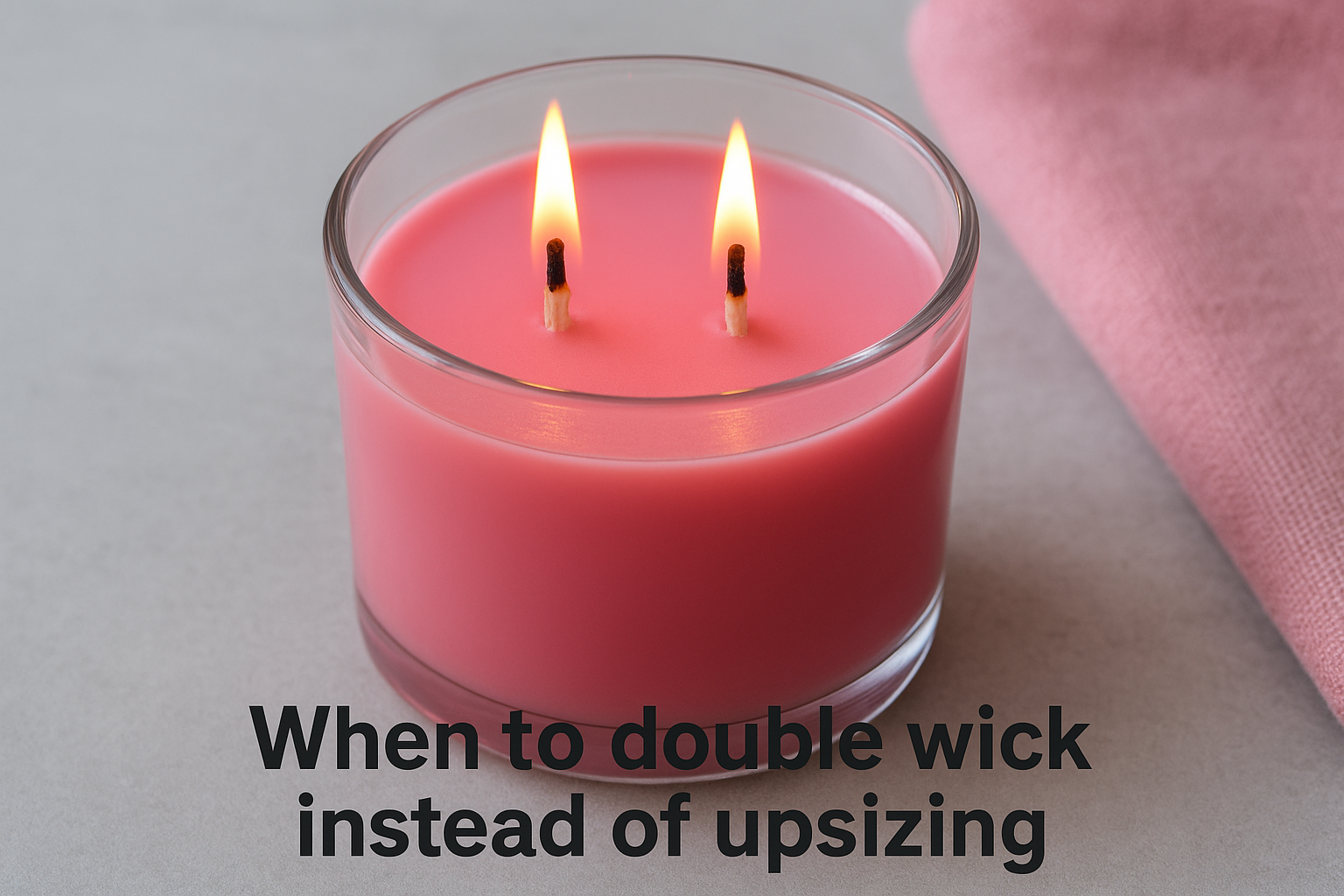
Once you reach the top of the Premier 700 range, upsizing further often creates more problems than it solves. For jars wider than 90mm, double wicking with two Premier 720s typically produces a cleaner, more even melt pool than forcing a single oversized wick to carry the full load.
How to spot and correct overwicking
A flame taller than 20mm and a jar too hot to hold comfortably after 90 minutes both signal overwicking. Drop one size immediately and retest on a fresh pour before adjusting anything else.
6. Wooden wicks
Wooden wicks bring a noticeably different burn experience to soy container candles. They produce a soft crackling sound during burning and deliver a broader, flatter flame that radiates heat across a wider surface area than cotton wicks of a similar size.
What changes with wooden wicks in soy containers
Wooden wicks pull wax upward through capillary action rather than absorbing it through a braided core, which means melt pool development is slower on the first burn. Soy wax compounds this because its lower melt point can make the initial light feel underwhelming. Give your wooden wick candle a full two to three hours on the first burn before drawing conclusions.
When selecting the best wick for soy container candles with a crackling aesthetic, wooden wicks require more patient testing than cotton alternatives.
Sizing wooden wicks for wide jars
Wooden wicks suit jars wider than 70mm particularly well, where their broad flame covers more surface area naturally. Start one size below the manufacturer's recommendation for soy, then size up if the melt pool does not reach the jar walls within three hours.
How to improve relights and reduce carbon build-up
Trim the charred wood to 3mm before every single burn. A longer wick causes the flame to drown in the melt pool and produces excess carbon that blocks wax uptake.
Safety notes for hotter burns and vessel choice
Wooden wicks run hotter than most cotton options, so always use thick-walled glass or ceramic containers rated for candle use. Thin glass risks cracking under sustained heat exposure.
Next steps
Picking the best wick for soy container candles comes down to testing methodically, not guessing. Start with the wick type that best matches your jar diameter and fragrance load, run at least three full test burns, and record your results before moving to the next candidate. Eco and LX wicks suit lighter, cleaner blends. CD, HTP, and Premier 700 series wicks handle heavier fragrance loads. Wooden wicks deliver a different aesthetic entirely and reward patient testing.
No single wick works for every formula, so treat your first pour as a data point rather than a final answer. Trim consistently, document every burn, and adjust one variable at a time to isolate what is actually affecting performance.
If you want to see what well-tested wick choices look like in a finished product, browse our hand-poured soy candle range at Coorong Candle Co. and see the results for yourself.